
What to Do If Your Basement Floods
A flooded basement goes from a nuisance to an expensive problem within hours. Water soaks into drywall, flooring and stored belongings, and mold can begin growing in as little as 24 to 48 hours. This guide walks you through what to do first, how to do it safely, and when to call a licensed plumber in Lincoln Park.
Safety First: When Not to Enter a Flooded Basement
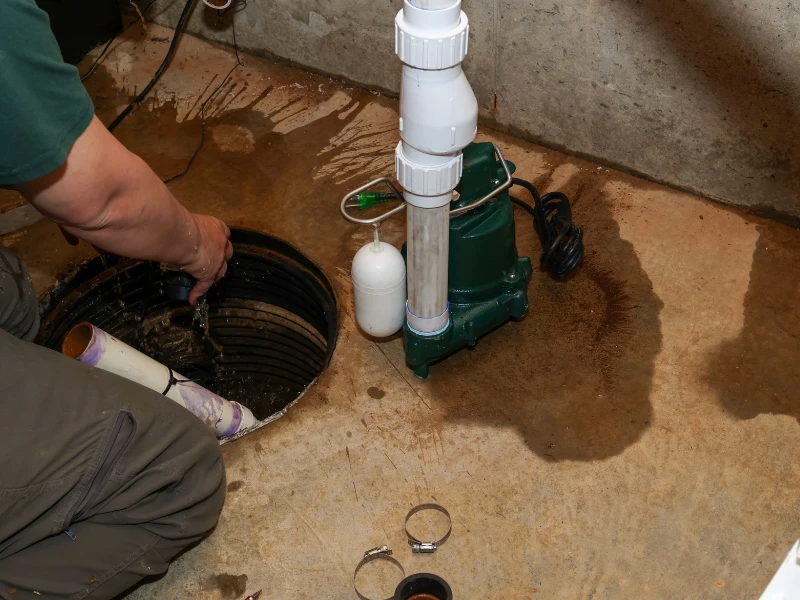
Do not step into standing water until you are certain it is safe. Floodwater and electricity are a lethal combination, and a flooded basement often hides more than one hazard. Call 911 immediately if anyone is in danger.
Water may be touching outlets, appliances, extension cords or the electrical panel; you smell natural gas or hear hissing; the water may contain sewage; walls or floors look bowed or cracked; or local authorities have told residents to stay out.
- Electricity: If the breaker panel is in a dry spot you can reach without wading through water, shut off power to the basement. If not, call your electric utility and wait — standard rubber boots are not rated for electrical hazards.
- Gas: A rotten-egg smell means a possible gas leak. Leave the home, avoid switches or sparks, and call your gas utility from outside.
- Sewage: If you see waste or smell sewage, treat the water as contaminated. Keep children and pets away and do not run faucets, laundry or toilets.
- Structure: Buckled floors or walls can indicate structural damage that makes entry unsafe.
Find and Stop the Water Source
Once it is safe, identify where the water is coming from. The source determines your next move — and whether you can handle it yourself or need a emergency plumber.
| Likely source | What to do |
|---|---|
| Burst or leaking pipe | Shut off the main water valve if you can reach it safely, then call a plumber. |
| Appliance or water heater leak | Close the local supply valve and unplug the appliance if it is safe. |
| Failed sump pump | Check the power, float and discharge line; a sump pump repair may be needed. |
| Sewer or floor-drain backup | Stop using water and call for sewer line service. |
| Rain or groundwater | You cannot stop it at the source — focus on removing water and clearing storm drains. |
A burst supply line is the most controllable situation. If you are not sure how to shut off your water, our guide on finding your main water shut-off valve explains exactly where to look. Sewer backups are far more serious — learn the common causes of sewer backups in Chicago.
Document the Damage Before You Clean Up
This step takes a few minutes and can make or break your insurance claim. Before you move or throw away anything, build a clear record:
- Take a walk-through video and photos from multiple angles, including the waterline on walls.
- Photograph damaged furniture, appliances, flooring and stored belongings exactly where they are.
- List every damaged item and keep receipts for cleanup supplies and temporary repairs.
- Call your insurer's claims line as soon as safety is handled, and ask what they need before you discard anything.
Damage from a burst pipe is usually covered by standard homeowners insurance. Flooding from heavy rain or groundwater generally is not — that requires separate flood insurance or a water/sewer backup endorsement.
Remove Standing Water Safely
Only begin water removal once the power is off and the source is stopped or has receded. For shallow water, a wet/dry shop vacuum, mop and buckets can work. For several inches or more, a submersible pump is far faster. Route discharge water away from your foundation — never into a drain you know is already backed up.
For older Lincoln Park homes with finished basements, the amount of water and the materials involved often call for professional extraction. If the water is more than a couple of inches deep or keeps rising, stop and call for help.
Dry the Basement Within 24–48 Hours
Removing the water is only half the job. The U.S. Environmental Protection Agency recommends drying a home and its belongings within 24 to 48 hours, because materials left wet longer are far more likely to grow mold. Visible water clears quickly, but moisture trapped in walls and floors can linger for one to two weeks.
- Run dehumidifiers and box fans, and open windows when outside air is dry.
- Pull up and discard wet carpet, padding and any insulation or drywall that cannot dry.
- Check behind baseboards, under stairs and inside wall cavities for hidden moisture.
- Keep the HVAC system off if it was flooded, and do not run fans if you can already see mold or know sewage is present — moving air spreads spores.
Clean, Disinfect and Know What to Throw Away
Clean hard, non-porous surfaces with detergent and water, then disinfect. Never mix cleaning products, and do not add bleach to other chemicals. Porous items that soaked up floodwater — carpet and padding, mattresses, upholstered furniture, cardboard, drywall and ceiling tiles — generally cannot be cleaned back to safe and should be discarded. When in doubt, throw it out.
When to Call a Professional Plumber
Some floods are a DIY cleanup; others are not. Call a licensed plumber right away if:
- You cannot find or stop the source of the water.
- The water contains sewage or looks and smells contaminated.
- The flooded area is large, deep, or still rising.
- You have a finished basement with drywall, carpet and furniture.
- You have any concern about electrical safety.
Our team handles emergency plumbing, leak detection and drain and sewer backups with less mess and less disruption. Call (773) 514-3504 any time, day or night.
How to Prevent the Next Flood
Once the basement is dry and repaired, stop the next flood before it starts. In Lincoln Park and across Chicago's North Side, older homes with clay sewer laterals, combined storm-and-sanitary sewers and finished basements are especially vulnerable to heavy rain.
- Test and maintain your sump pump — and add a battery backup for storms. See sump pump repair.
- Keep floor and storm drains clear. Debris-blocked drains are a top cause of street-level flooding — explore storm drain cleaning.
- Inspect your sewer line for root intrusion, cracks or bellies with a sewer camera inspection.
- Clear recurring clogs with hydro jetting rather than harsh chemicals (why that matters).
- Prepare before winter and spring with our winter plumbing checklist and spring maintenance guide.
Frequently Asked Questions
Is basement flooding covered by homeowners insurance?
Damage from a burst pipe or sudden appliance failure is usually covered by a standard policy. Flooding from rain, groundwater or a sewer backup typically requires separate flood insurance or a water/sewer backup endorsement. Report the loss early and document everything.
How long does it take to dry a flooded basement?
Start drying within 24 to 48 hours to reduce mold risk. Visible moisture often clears in a few days, while hidden moisture can take one to two weeks.
Can I clean up a sewage backup myself?
No. Sewage carries harmful bacteria and viruses and should be handled by a professional with proper protective equipment and disinfection.
Will a sump pump prevent my basement from flooding?
A working sump pump removes a lot of water, but it can fail, lose power, or be overwhelmed by heavy rain. A battery backup and routine testing greatly reduce the risk.
Who should I call first when my basement floods?
Call 911 for any life-safety emergency, your electric utility if water is near outlets or the panel, and your gas utility if you smell gas. For burst pipes, sump pumps or sewer backups, call Plumber Lincoln Park at (773) 514-3504.