
How to Find and Shut Off Your Main Water Valve
The main water shut-off valve is the most important plumbing fixture in your home — and most people have no idea where theirs is until water is pouring through the ceiling. Knowing how to find it and use it takes ten minutes to learn and can save you thousands of dollars in water damage.
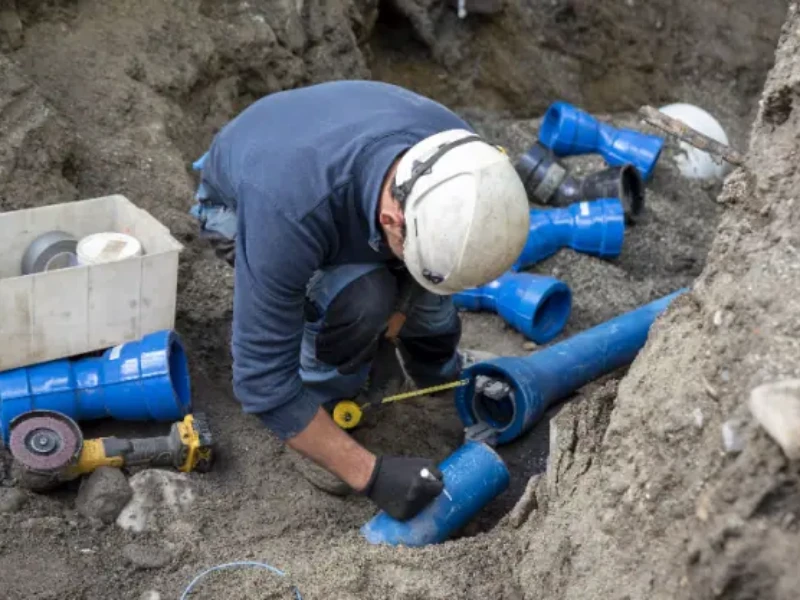
Why Every Homeowner Should Know the Shut-Off Valve
When a pipe bursts or a supply line fails, water can flow at several gallons per minute. In a finished Lincoln Park basement or behind a kitchen wall, that water spreads quickly into drywall, flooring, insulation and stored belongings. The difference between a minor cleanup and a major insurance claim very often comes down to how fast someone shuts off the water.
Your main valve is the one control that stops all water entering the home at once. Learning where it is today means that if a pipe fails at two in the morning, you are not searching with a flashlight while water rises. It costs you nothing and protects everything.
Walk through your home this week and locate the main shut-off valve, then show every adult in the household. In an emergency, you will not have time to figure it out. If it is seized or leaking, that is a job for plumbing repair.
Where to Find Your Main Water Valve
The main valve sits on the pipe that brings water into your home, usually on the street side. Where exactly depends on the age and style of the building, but these are the most common spots in Chicago:
- Basement, front or street side. Most Chicago homes have the main valve in the basement near where the supply line enters, often close to the water meter.
- Utility closet or mechanical room. In condos and newer construction, look for a panel or closet with the water meter.
- Near the water heater. Sometimes the main valve is near the water heater or a manifold where several lines branch out.
- Crawlspace or under the stairs. Some older layouts route the entry point through hard-to-reach places.
- Outside (curb box). In warmer regions the main is often a buried box near the sidewalk. In cold climates like Chicago, most homes also have an interior valve.
Follow the pipe backward from the water meter or from any fixture. The first valve you reach on the incoming line is typically the main shut-off. If you cannot find it or the only valve is out at the curb, have a plumber trace it for you — see emergency plumbing for help locating it.
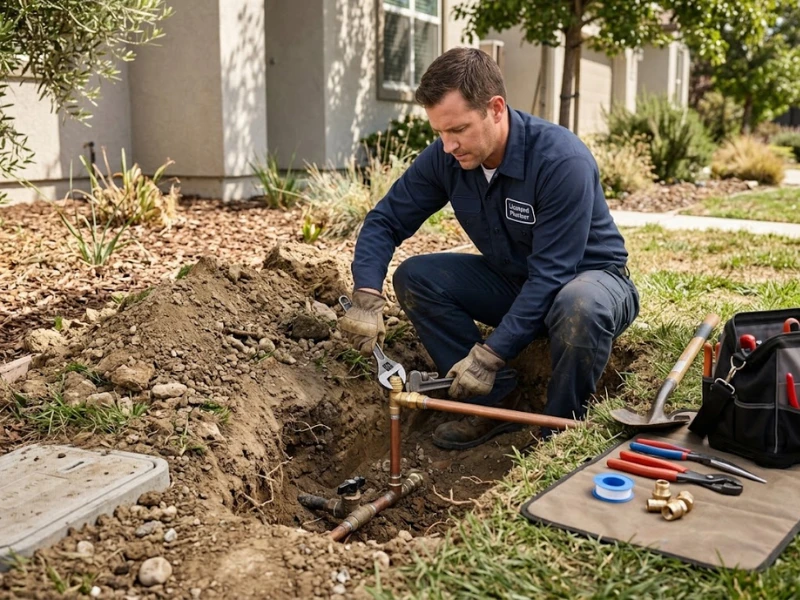
Gate Valves vs Ball Valves
There are two common types of main shut-off valves, and knowing which you have tells you how to operate it and what to expect.
| Feature | Gate valve | Ball valve |
|---|---|---|
| Handle | Round wheel you turn | Flat lever you swing |
| How to close | Turn clockwise until it stops | Swing the lever a quarter turn across the pipe |
| Open position | Wheel turned fully counter-clockwise | Lever in line with the pipe |
| Reliability | Can stick or seize over time | More reliable and easier to operate |
| Common in | Older homes | Newer and upgraded plumbing |
Gate valves were standard for decades and are common in older Lincoln Park homes, but they can seize if they sit untouched for years. Ball valves are the modern standard because a quarter-turn provides a full shutoff with far less chance of sticking. If your main has a wheel handle, exercise it gently once or twice a year so it stays operable.
How to Shut Off and Test the Valve
Shutting off the main is simple once you know where it is. Work through these steps, and if at any point the valve will not move or water does not fully stop, call a plumber rather than forcing it.
- Locate the valve and clear any clutter blocking access.
- For a ball valve, turn the lever a quarter turn so it sits perpendicular to the pipe. For a gate valve, turn the wheel clockwise until it stops.
- Confirm the water is off by opening the lowest faucet in the house, such as a basement sink. The flow should slow to a stop.
- To restore water, turn the valve fully back to open — counter-clockwise for a gate valve, lever back in line with the pipe for a ball valve. Open it slowly to avoid hammering.
Testing the valve before you ever need it is the best way to avoid surprises. Twice a year, close it fully, confirm water stops, then reopen it. If the valve leaks at the stem, will not close completely, or is frozen in place, schedule a replacement — a valve that fails in an emergency is worse than no plan at all. See plumbing repair for replacement service.
Before the first hard freeze, test the valve so you know it works if a pipe bursts from cold. For total peace of mind when traveling, shut the main and open a low faucet to drain the lines.
Other Shut-Offs Worth Knowing
The main valve is your emergency backstop, but you can stop water faster — and only locally — by using the fixture shut-offs throughout your home. These let you isolate one problem without cutting water to the whole house.
- Under every sink. Angle stops beneath kitchen and bathroom sinks isolate the faucet and supply lines.
- Behind and beside every toilet. A small oval valve on the wall supplies the toilet tank.
- Washing machine. Two valves — hot and cold — usually in a wall box behind the machine.
- Water heater. A cold-water inlet valve on top or beside the tank lets you isolate it for repairs — see water heater repair.
- Dishwasher and ice maker. Often a valve under the sink or in the basement below.
- Outdoor spigots. Interior shut-offs, plus a drain, protect against winter freeze.
Learn these the same way you learn the main. When a toilet line lets go, closing the local angle stop in seconds can save the room. And if a burst pipe or major leak has already started, follow our burst pipe emergency guide and the basement flooding playbook for the complete first-response plan.
If you would like help locating your main valve, testing it or replacing an old gate valve, call Plumber Lincoln Park at (773) 514-3504. We work across Lincoln Park and Chicago's North Side, and we are happy to walk your home's shut-offs with you so you are ready.
Frequently Asked Questions
Where is the main water shut-off valve usually located?
In most Chicago homes the main valve is in the basement, near the front or street side of the house where the water line enters, often close to the water meter. It can also be in a utility closet, a crawlspace, or near the water heater. In warmer climates it is sometimes outside in a curb box near the street.
How do I know if I have a gate valve or a ball valve?
A gate valve has a round, wheel-shaped handle that you turn clockwise to close. A ball valve has a lever handle that sits in line with the pipe when open and swings a quarter turn across the pipe to close. Ball valves are more reliable and less prone to sticking.
How often should I test my main water valve?
Test it once or twice a year, especially before winter. Exercise the handle gently to confirm it turns, then return it to the fully open position. If it is seized or will not seal, have a plumber replace it before you need it in an emergency.
What happens if my main water valve will not close?
A seized or leaking valve means you cannot stop the water in an emergency, so it should be replaced. Do not force the handle hard enough to break it. Call a plumber for a replacement, and locate your city curb stop as a backup in the meantime.
Should I shut off the water when leaving home for vacation?
For extended trips, it is wise to shut off the main valve and drain the lines, or at least shut off the supply to the washing machine and water heater. This prevents a leak from running undetected for days while no one is home.
Can a plumber install a new, easier-to-use main valve?
Yes. Replacing an old, stiff gate valve with a modern ball valve is a straightforward job that makes emergency shutoffs far easier. Call (773) 514-3504 to schedule a replacement or a whole-home valve inspection.