
How to Prepare Your Plumbing for Chicago Winter
Chicago winters are long, wet and brutally cold, and your plumbing takes the brunt of it. Preparing ahead of the first freeze is far cheaper and calmer than repairing a burst pipe in January. Here is how to winterize your pipes, water heater and drains so your home stays warm and dry all season.
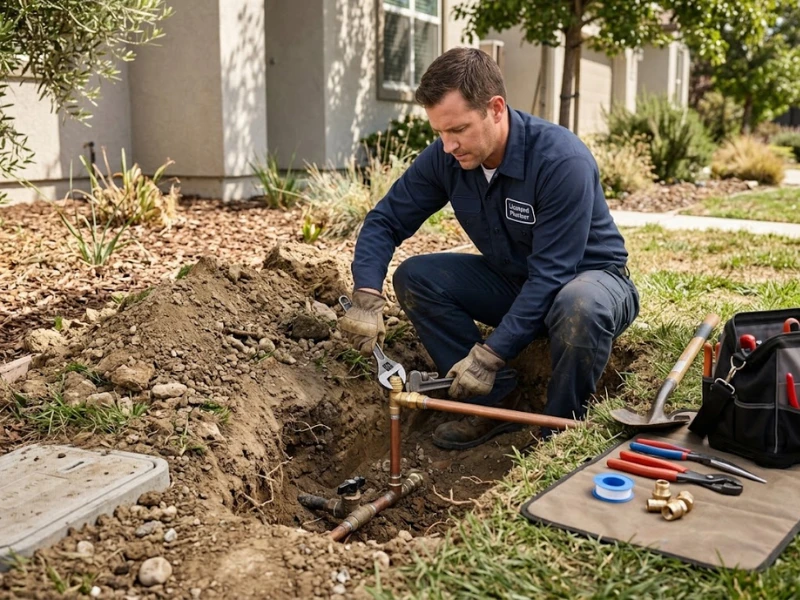
Why Preparation Matters in Chicago
Chicago does not just get cold; it stays cold. Once the ground freezes and the lake-effect winds arrive, temperatures can stay below freezing for weeks at a time. That sustained cold is what separates a minor inconvenience from a major loss. A pipe that survives one 20-degree night may fail after the fifth in a row.
The physics are simple and unforgiving. Water expands as it turns to ice, and inside a closed pipe that expansion produces thousands of pounds of pressure per square inch. The pipe does not have to freeze solid to crack, either. A partial blockage can push the pressure between the ice and the nearest closed valve until something gives.
What makes a Chicago-area home especially vulnerable is its age. Much of Lincoln Park and the North Side was built long before modern insulation standards. Supply lines often run through exterior walls, unheated basements, crawl spaces and enclosed porches. Older galvanized or poorly supported pipes are less tolerant of expansion and more likely to fail at a weakened joint. Add pipes that are already under pressure from a hard water mineral buildup, and you have a system that needs a little help before winter.
The good news: a focused weekend of preventative work covers almost everything that matters. Our full winter plumbing checklist pairs well with the steps below.
Winterize Outdoor and Exposed Pipes
Outdoor plumbing is always the first to freeze, so start here. Work through each item while the weather is still mild:
- Disconnect and drain garden hoses. A hose left connected traps water in the spigot and line, where it freezes and splits.
- Close the interior shut-off valve that feeds each hose bib, then open the outdoor spigot to drain any remaining water.
- Install foam faucet covers on older, non-frost-proof spigots for an extra layer of protection.
- Insulate exposed pipes in basements, garages, crawl spaces and attics with foam sleeves or insulating tape, leaving no bare gaps.
- Seal air leaks around the foundation sill, rim joist and any pipe that passes through an exterior wall.
- Drain and store any outdoor irrigation, sprinkler or pool equipment.
For a pipe that has frozen in previous winters, a self-regulating heat cable on a GFCI outlet can be a reliable fix. The insulation still matters — heat without insulation simply leaks away faster.
If you find a pipe that is already cracked, corroded or leaking water, do not wait for spring. Our plumbing repair technicians can replace the damaged section and insulate it properly before the real cold sets in.
Prepare Your Water Heater
Your water heater works harder in winter because the water entering it is colder. That extra load, stacked on months of use, is why heater problems spike in January. A little maintenance now prevents a cold shower later.
- Flush the tank to remove sediment that insulates the burner or heating element and wastes energy.
- Test the temperature and pressure relief valve to confirm it opens and reseats correctly.
- Check the anode rod and replace it if it is heavily corroded — it is what protects the tank from rusting from the inside.
- Wrap an older tank in an insulating blanket to slow heat loss, keeping clear of the flue and controls on a gas unit.
- Insulate the first few feet of hot and cold pipes coming off the heater.
If your heater is more than ten years old, is making rumbling or popping sounds, or is slow to recover, winter is the wrong time to gamble on it. Our water heater repair service can diagnose it before it fails on the coldest night of the year.
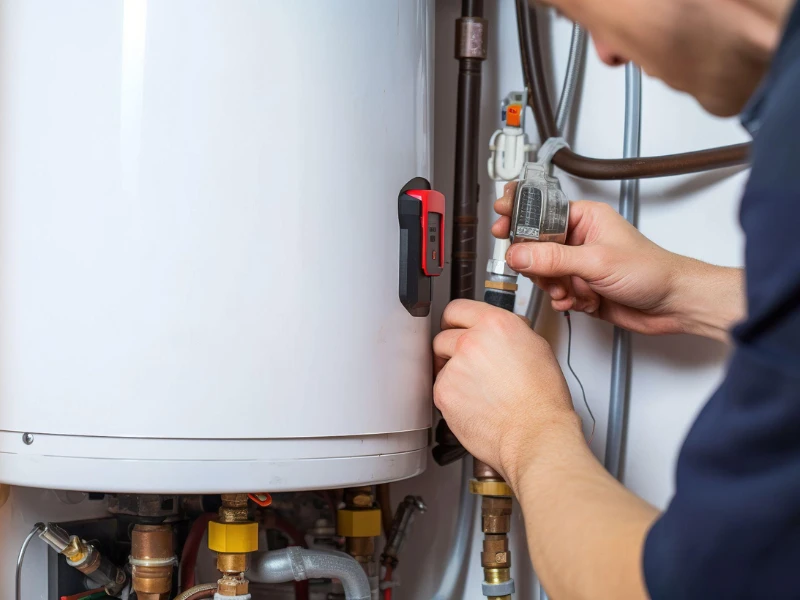
Protect Drains and Sump Systems
Winter is not only about freezing pipes. Drains and sump systems face their own challenges as the ground freezes and thaws and meltwater finds its way into basements.
| System | Winter prep step |
|---|---|
| Sump pump | Test the float, clean the pit, and confirm the discharge line is clear and drains away from the foundation. |
| Backup pump | Test the battery backup and replace aging batteries before a mid-winter thaw. |
| Floor drains | Pour a little water down rarely used floor drains so the trap does not dry out and let sewer gas in. |
| Kitchen and bath drains | Clear slow drains now with a professional cleaning rather than harsh chemicals that can freeze or damage pipes. |
| Sewer line | Address recurring clogs before the ground freezes and makes access harder. |
A discharge line that is clogged with ice or aimed back toward the house can turn a working sump pump into a flooding source. Walk the line outside and make sure it slopes away from the foundation. If your pump runs constantly or cycles without moving water, that is a sign it needs attention before spring thaw.
If You Travel During Winter
An empty, unheated house is the most common setting for catastrophic winter pipe damage. If you plan to be away, you have two safe options.
- Shut down and drain the system. Turn off the main water valve, open all faucets to drain the lines, and if you can, blow out the remaining water. This is the safest approach for an extended trip.
- Keep the heat on. If you leave the water on, set the thermostat to at least 55 degrees Fahrenheit and have a neighbor or property manager check the home daily.
Turning the heat completely off to save money is the fastest way to freeze every pipe in the house. Insurers frequently deny claims where a home was left unheated, so this is a financial risk as well as a physical one.
If something does go wrong while you are away, the response is the same as any winter emergency: shut off the water and call for help. Our burst pipe emergency guide walks through the steps, and Plumber Lincoln Park can be reached seven days a week at (773) 514-3504.
Frequently Asked Questions
When should I winterize my plumbing in Chicago?
Aim to finish before the first hard freeze, which in Chicago usually arrives in late October or November. Waiting until the first cold snap leaves no margin if a pipe needs repair or insulation before temperatures drop.
What is the biggest risk to plumbing in a Chicago winter?
Frozen and burst pipes are the number one risk, especially on supply lines in exterior walls, basements, crawl spaces and garages. A single burst line can release hundreds of gallons and cause major water damage before anyone notices.
Do I need to do anything special for my water heater in winter?
Yes. Cold incoming water makes the heater work harder, so flush the tank to remove sediment, test the temperature and pressure relief valve, and check the anode rod. An insulation blanket on an older tank helps hold heat and lowers energy use.
Should I shut off my outdoor faucets before winter?
Always. Disconnect hoses, close the interior shut-off valve that feeds each hose bib, and drain the line so no water remains to freeze. A foam faucet cover adds protection for older, non-frost-proof spigots.
What should I do if I am traveling during winter?
Either shut off the main water valve and drain the system, or keep the thermostat at 55 degrees or higher and have someone check the home daily. Never leave a house unheated through a Chicago cold snap.
Can a plumber winterize my home for me?
Yes. A licensed plumber can insulate and repair vulnerable lines, flush the water heater, check the sump pump, and fully drain the system for a vacant property. Call Plumber Lincoln Park at (773) 514-3504 to schedule before the season starts.