
Sewer Backup Causes in Chicago (and How to Stop Them)
Sewage backing up into your basement is more than a mess — it is a health hazard and a sign that something in your drainage system has failed. In Chicago, a handful of causes account for most backups, and understanding them is the first step toward stopping the next one. This guide explains why sewer backups happen here and what you can do about it.
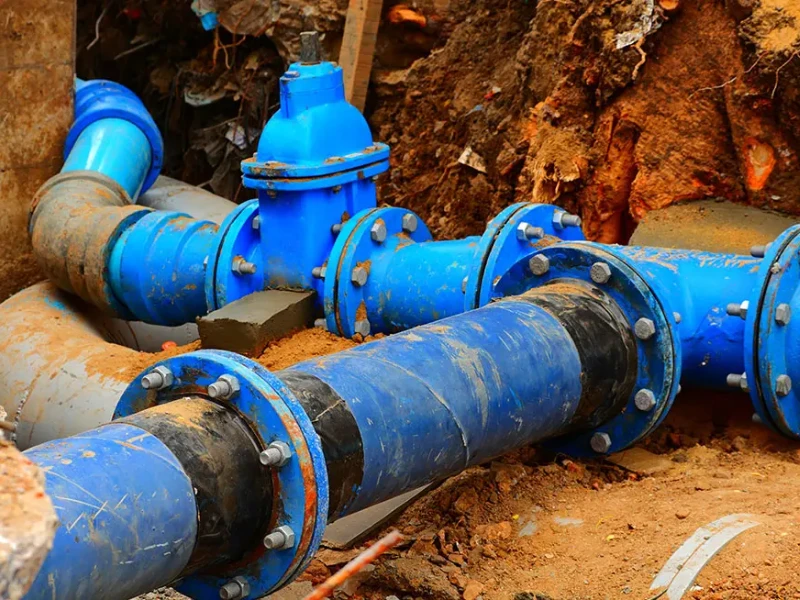
What Causes a Sewer Backup
A sewer backup happens when wastewater cannot move away from your home fast enough and instead reverses direction, rising out of the lowest drain — usually a basement floor drain, tub or laundry sink. There are three broad reasons this occurs:
- A blockage in your private service line. Grease, wipes, roots or debris narrow the pipe until waste has nowhere to go.
- A problem in the city main. The larger public sewer can become overloaded or blocked, sending water back into nearby homes.
- A structural failure. Cracked, offset, sagging or collapsed pipe sections trap waste and prevent flow.
The tricky part is that all three can look identical from inside your basement: dirty water where it should never be. Determining which one is happening requires a professional look at the line, which is why a sewer camera inspection is so valuable. It shows exactly where the problem is and whether it sits on your property or the city's.
Combined Sewers and Heavy Rain
Chicago is one of many older cities with a combined sewer system, meaning the same pipes carry both household sewage and stormwater runoff. In dry weather that works fine. During a heavy storm, though, rainwater pours into the system from street drains, downspouts and catch basins, and the volume can quickly exceed the pipes' capacity.
When that happens, the system "surcharges" — it fills to the top and pressurizes. If your home has no backwater valve or check valve to block reverse flow, that pressurized mix of stormwater and sewage can push backward up your service line and into your basement. This is why so many Chicago basements flood within minutes of an intense storm, even when the homeowner did nothing wrong.
If your basement floods every time the rain is heavy, the fix is usually a backwater valve plus proper storm drainage, not just repeated snaking. Learn more in our guide to why heavy rain causes basement drain and sewer problems.
Blockages and Root Intrusion
The most common everyday cause of a backup is a blockage in the service line. Several culprits stand out:
| Cause | Why it backs up your line |
|---|---|
| Grease and fats | Cool and harden inside pipes, narrowing the passage and catching other debris. |
| Flushable wipes | Do not break down; snag on roots and rough walls and build into large clogs. |
| Tree roots | Enter through joints and cracks, then grow into a dense mat that traps waste. |
| Scale and debris | Mineral buildup and years of sludge reduce the pipe's interior diameter. |
| Foreign objects | Paper towels, hygiene products and "disposable" items lodge and collect more material. |
Tree roots deserve special attention in older Chicago neighborhoods. The clay tile laterals common here crack and shift over decades, and roots slip into every opening. Once inside, they thrive on the moisture and nutrients, regrowing after each snaking. Clearing the branch lines with drain cleaning and the main line with sewer line repair addresses both the immediate clog and its root cause.
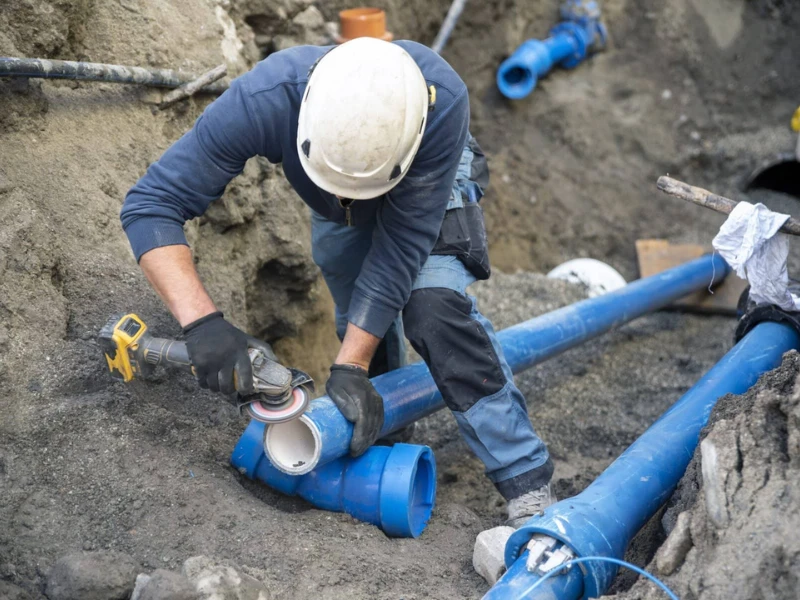
Aging and Collapsed Lines
Chicago's housing stock is old, and so are many of its sewer laterals. Original clay tile and cast iron lines that have served a century or more are prone to a range of failures:
- Cracks and fractures that let in soil and roots.
- Offset joints where segments have shifted, creating a lip that catches waste.
- Bellies or sags where the ground has settled and the pipe now holds standing water and solids.
- Corrosion and collapse in older cast iron and steel, sometimes leaving a void under the yard.
These problems do not simply clear with a snake; they get worse. A sagging pipe keeps backing up because waste pools in the low spot, and a cracked pipe invites more roots and soil. Left long enough, a failing section collapses entirely, causing a serious backup and requiring a larger repair. Recognizing the broader signs of a damaged sewer line early can save you from a full emergency.
How to Prevent Sewer Backups
You cannot control the city main or the weather, but you can substantially reduce your risk. Focus on what is within your control:
- Be careful what you flush. Only human waste and toilet paper. No wipes, paper towels, hygiene products, fats or "disposables."
- Keep grease out of drains. Pour cooking fat into a container and throw it in the trash instead.
- Install a backwater valve. This one-way valve lets sewage out but blocks it from flowing back in during a surcharge — essential protection for a basement.
- Maintain storm drainage. Clear gutters, downspouts and catch basins so runoff does not overwhelm the system. See storm drain cleaning.
- Inspect and clean the line. Periodic drain cleaning and a camera inspection catch problems before they become backups.
- Address roots and defects. Root cutting, hydro jetting or trenchless lining stops recurring blockages at the source.
Stop using water immediately, avoid contact with the sewage, and keep children and pets away. If the water is rising, call a professional right away. Our step-by-step guide on what to do when your basement floods covers safety, documentation and cleanup.
The best defense is a combination of good habits, a backwater valve and regular professional maintenance. Together they stop the majority of backups before they start.
Frequently Asked Questions
What is the most common cause of a sewer backup?
In Chicago, the leading causes are blockages from grease, wipes and debris, tree root intrusion into older clay laterals, and overloaded combined sewers during heavy rain. Aging, cracked or collapsed pipes make all of these worse.
Why does my basement back up when it rains?
Many Chicago neighborhoods use combined sewers that carry both stormwater and sewage. During heavy rain the system can exceed capacity, and without a backwater valve the surcharge pushes sewage back up your service line and into the lowest drain.
Do flushable wipes really cause backups?
Yes. So-called flushable wipes do not break down like toilet paper. They snag on roots and rough pipe walls, collect grease, and build into large clogs that are a frequent cause of sewage backups.
Will a backwater valve stop my sewer from backing up?
A properly installed and maintained backwater valve lets wastewater flow out but closes to block reverse flow during a surcharge. It is one of the most effective protections for a basement, though it must be inspected and cleaned to keep working.
Who is responsible for the sewer line, me or the city?
The property owner is typically responsible for the service line from the house to the connection at the city main, while the city maintains the main itself. A camera inspection can pinpoint where a blockage or break is located so responsibility is clear.
Should I call a plumber for every backup?
Yes. Even a small backup signals a real obstruction or defect. A plumber can clear the line, identify the cause with a camera and recommend a lasting fix rather than an endless cycle of snaking.