
Are Chemical Drain Cleaners Safe? What to Know First
When a drain slows to a crawl, reaching for a bottle of chemical drain cleaner feels like the fastest fix. But these products are among the harshest chemicals sold to homeowners, and in older Chicago plumbing they often cause more problems than they solve. Here is what they do, the real risks they carry, and the safer ways to clear a clog for good.
How Chemical Drain Cleaners Work
Most store-bought drain cleaners fall into one of three categories, and each works differently:
- Caustic cleaners contain lye (sodium hydroxide) or potash. They generate intense heat as they dissolve, turning grease and organic matter into a soap-like substance that rinses away.
- Acidic cleaners use sulfuric acid or hydrochloric acid to eat through hair, paper and other soft clogs. These are the most aggressive and the most dangerous to handle.
- Oxidizing cleaners use bleach, peroxides or nitrates to break down organic material. They tend to be gentler than the other two but also less effective on stubborn blockages.
The core limitation is the same for all three. A liquid cleaner can only contact the surfaces it reaches, so it typically burns a narrow channel through the middle of a clog rather than removing it entirely. The drain may flow again for a few days, but the blockage is still there — which is exactly why the same drain keeps backing up.
The Risks to Your Pipes
Chemical drain cleaners are hard on the pipes that carry them. Caustic formulas can heat standing water to well over 150°F, and that sudden thermal shock stresses joints, gaskets and seals. Acidic formulas can pit and etch the interior of metal pipe. Repeated use shortens the life of any drain line.
That risk is magnified in older homes. Across Lincoln Park and the rest of Chicago's North Side, many buildings still have original cast iron, galvanized steel or clay drain lines that are already decades past their design life. Corrosion from aggressive chemicals can turn a slow drain into a full-blown leak or a cracked pipe hidden inside a wall or under a basement floor.
Products marketed as “monthly” drain treatments expose your pipes to corrosives on a regular schedule. If a drain clogs that often, the underlying cause — grease, scale or roots — needs to be removed mechanically, not dissolved.
Chemical cleaners can also harm fixtures and the environment. The same caustic that clears a sink trap can dull a metal finish, and acidic products that survive the journey can damage beneficial bacteria in septic systems and harm your home's plumbing downstream.
The Risks to People and Pets
The human cost of drain chemicals is serious. Products containing lye or sulfuric acid can cause severe chemical burns on skin, in the throat and in the eyes, and they are one of the more common household chemical injuries reported to poison centers each year. The danger is worst when a drain is fully blocked, because the cleaner pools and can splash back the moment you plunge or run water.
Keep these safety points in mind if you do decide to use a chemical product:
- Never mix products, and never add one cleaner on top of another. Combining bleach and ammonia or an acid and a base can release toxic gas.
- Wear eye protection and gloves, and work in a ventilated space. The fumes can irritate lungs and airway.
- Store bottles out of reach of children and pets. Curious pets are drawn to the smell, and even a small lick can be fatal.
- Do not leave an open bottle unattended near a sink where a pet or child could tip it over.
If a cleaner touches skin, flush with cool water for 15 to 20 minutes. For eye contact, flush continuously and call 911 or poison control immediately. This is not a “wait and see” situation.
Safer DIY Alternatives
You can clear many household clogs without a drop of caustic cleaner. These methods are effective, gentle on pipes and safe for your family:
- Plunge first. A cup plunger for sinks and a flange plunger for toilets create pressure that shifts most soft clogs. Seal the overflow with a wet rag for a stronger seal.
- Try hot water and dish soap. For grease-based clogs, a pot of hot (not boiling) water with a squirt of dish soap can loosen the blockage. Follow with a plunge.
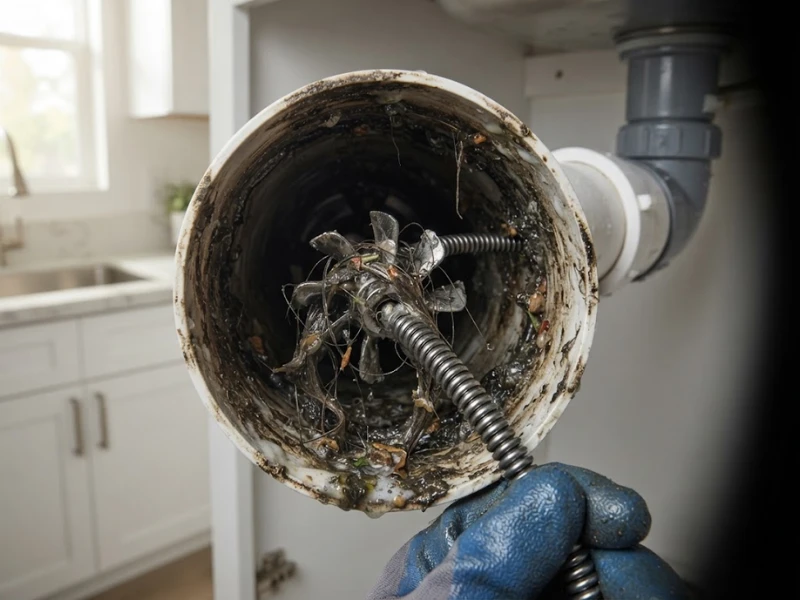
- Use a drain snake. A hand auger reaches past the trap to grab hair and debris — the most common cause of a bathroom sink that drains slowly.
- Baking soda and vinegar. This fizzing combination is a mild, non-caustic option for routine freshening and light buildup.
- Install hair catchers. A mesh strainer in the shower and bathroom sink keeps the biggest clog-causers out of the drain in the first place.
- Keep grease out. Pour cooking grease into a can and throw it away. It is the leading cause of kitchen line clogs.
When to Call a Plumber
DIY methods have limits, and some clogs should always go to a professional. Call a plumber if a drain is completely blocked, if it gurgles or backs up in more than one fixture, if you smell sewage, or if the same drain keeps clogging no matter what you do. Multiple slow drains usually point to a blockage in the main sewer line rather than a single fixture.
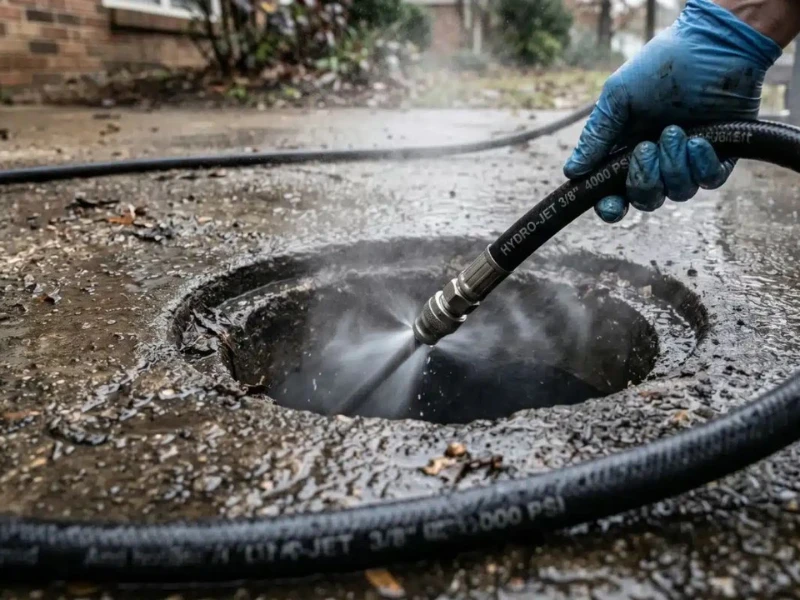
Recurring clogs in an older home are often a symptom of something bigger. In buildings with decades-old piping, grease, scale and even tree roots can narrow the line until it fails — a pattern we cover in our guide to recurring drain clogs in older Chicago homes. Professional drain cleaning clears the full pipe with a cable machine or a high-pressure hydro jetting service that scours the walls clean. For a persistent, localized blockage, dedicated drain clog repair can pinpoint and fix the problem instead of treating the symptom.
When in doubt, the safest move is to skip the chemicals entirely. A licensed plumber can clear the clog in one visit — no burns, no corrosion, no return visit next month. Call (773) 514-3504 for fast, safe drain service across Lincoln Park.
Frequently Asked Questions
Are chemical drain cleaners safe for older pipes?
Generally, no. Many Chicago homes still have older galvanized, cast iron or thin-walled pipes, and the caustic heat and corrosives in these products accelerate corrosion and weaken joints. Mechanical methods like snaking or hydro jetting are much safer for aging plumbing.
Can I use chemical drain cleaner on a totally blocked drain?
No. If a drain is fully blocked, the cleaner sits on top of the clog with nowhere to go. That pooling raises the risk of splashing back and chemical burns, and it usually fails to clear the blockage anyway.
What should I do if chemical drain cleaner splashes on my skin?
Flush the area with cool running water for at least 15 to 20 minutes and remove any contaminated clothing while flushing. For eye contact, flush continuously and call 911 or poison control. Seek medical care if pain or blistering continues.
Do chemical drain cleaners actually fix recurring clogs?
Rarely. They usually punch a small hole through the clog rather than removing it, so the blockage returns. Recurring clogs point to a deeper issue like grease, scale or tree roots that only mechanical cleaning can fully remove.
What is the safest way to clear a clogged drain?
Start with a plunger or a drain snake to physically break up the clog, use a hair catcher, and keep grease out of your drains. If a clog persists or keeps coming back, call a professional for drain cleaning or hydro jetting.