
Spring Plumbing Maintenance Checklist for Chicago Homes
Winter does not always show its damage until the thaw. Spring is the ideal moment to catch cracked pipes, tired sump pumps and clogged drains before the rainy season puts them to the test. This checklist walks Chicago homeowners through what to inspect and fix now to avoid a flooded basement later.
Why Spring Maintenance Matters
Chicago winters leave a mark on plumbing that is easy to miss while everything is frozen. Water trapped in a pipe expands, weakens the metal and creates a hairline crack that stays sealed by ice all winter. When temperatures rise, that crack opens and starts to leak. The same freeze-thaw cycle that breaks up sidewalks also works on pipes, joints and traps.
Spring adds pressure of its own. Snowmelt and heavy April and May rains send a surge of water through the ground, into foundation drains and down the sewer system. That is exactly when a sump pump with a dead battery or a storm drain packed with last fall's leaves fails. In older Chicago neighborhoods with combined storm and sanitary sewers, the combination of meltwater and rain can overwhelm the system and push water back into basements.
Doing a maintenance pass in spring gives you three things at once:
- Early detection of freeze damage before a pinhole leak turns into a soaked wall.
- A prepared drainage system so sump pumps and drains are ready for the wettest months.
- Lower repair costs, because problems caught in a scheduled visit are cheaper than emergency calls.
It also sets up an easy habit: address damage from the season that just ended, then prepare for the one that is coming. Companion guides on heavy rain and basement drain problems and what to do if your basement floods pick up if heavy weather wins the day.
Inspect for Winter Damage
Start with a slow walk-through of the home. You are looking for evidence that a pipe froze and failed somewhere it is not obvious. Check the basement, under sinks, along exterior walls and around the water heater.
- Damp spots and stains on ceilings, walls and floors, especially below upstairs bathrooms.
- Rust-colored or discolored water when you first turn on a tap.
- Reduced water pressure at one or more fixtures.
- Musty smells that suggest hidden moisture and the beginnings of mold.
- Visible cracks, corrosion or bulges on exposed pipes in the basement or garage.
- A higher-than-normal water bill, which often signals a hidden leak.
A small drip from a freeze crack can spray under pressure once the pipe warms up. If you see moisture or hear water running when nothing is on, shut off the main valve and have a plumber inspect the line.
Exposed supply lines, hose bibs and any pipe that runs through an unheated space are the most likely places to find damage. If a section shows corrosion or repeated repairs, replacing it is more reliable than patching it again.
Test Your Sump Pump
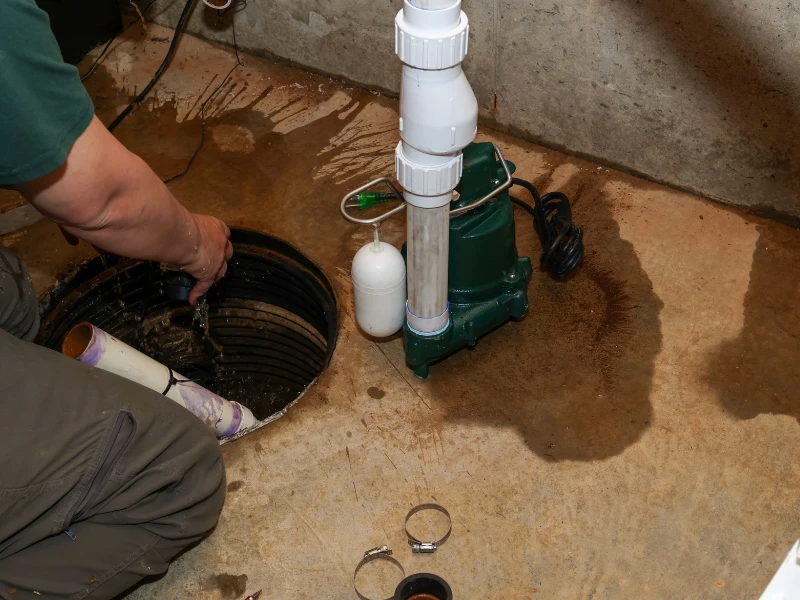
Your sump pump is the last line of defense for a finished basement, and spring is when it earns its keep. Test it before the first big storm rather than during one.
| Check | What to look for |
|---|---|
| Float and switch | Pour water into the pit and confirm the float rises and starts the pump. |
| Discharge line | Verify water exits quickly and flows away from the foundation, not back toward it. |
| Check valve | Confirm it prevents water from draining back into the pit after the pump stops. |
| Backup pump | Test the battery backup and replace any battery that is more than a few years old. |
| Pit and screen | Remove debris and silt that can clog the pump intake or jam the float. |
Listen to the pump while it runs. Grinding, rattling or a motor that hums without moving water all point to wear that will only get worse. A pump that runs constantly or cycles on and off quickly may be undersized, clogged or fighting a check valve problem. Our sump pump repair service can replace worn parts or upgrade you to a more reliable setup with a battery backup.
Clear Drains and Storm Drains
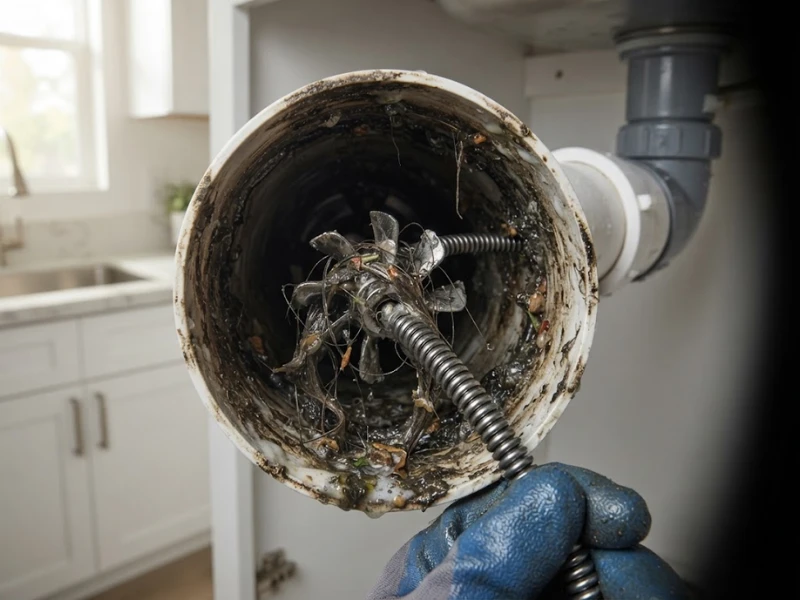
Spring is the season when everything you should not put down a drain finally catches up. Performance matters most now, so handle drains before they back up.
- Clear outdoor and storm drains of leaves, grit and debris so meltwater and rain have somewhere to go.
- Address slow drains in sinks, showers and tubs rather than waiting for a full clog.
- Check floor drains in the basement and laundry room and pour water down each trap to keep it sealed against sewer gas.
- Avoid harsh chemical drain cleaners, which can damage older pipes and rarely clear the real blockage.
- Schedule a professional cleaning if you have recurring clogs or multiple fixtures draining slowly.
In older Chicago homes, tree roots find their way into clay sewer laterals and cause repeated backups, especially after a wet spring. If clogs keep coming back in the same spot, the line needs to be inspected rather than cleared again. A professional drain cleaning removes buildup in one pass, and storm drain cleaning keeps the runoff moving away from your property. Where roots or heavy grease are the culprit, a hydro jetting service can restore full flow without harsh chemicals.
Check Water Pressure and Fixtures
Finish your spring pass by checking the parts of the system you use every day. Small issues here are inexpensive to fix now and annoying or damaging later.
- Water pressure: Test at an outdoor spigot or a basement fixture. Healthy residential pressure is generally between 40 and 80 psi. Pressure that is too high stresses every joint and can cause failures; pressure that is too low can signal a clogged main or a failing regulator.
- Hose bibs and outdoor spigots: Reconnect hoses only after confirming the valve opens and closes cleanly and does not leak at the stem.
- Toilets: Check for running or leaking flappers, loose tanks and wobbling bases that can let water seep onto the floor.
- Faucets, showers and supply lines: Look for drips and check under sinks for moisture and corrosion on the shut-off valves and supply hoses.
- Water heater: Drain a little water from the tank to flush sediment and confirm the temperature and pressure relief valve is working.
- Shut-off valves: Exercise the main valve and every fixture valve so they turn freely when you actually need them.
If any fixture is leaking, running or showing corrosion, it is worth repairing before the problem spreads. Catching a worn supply hose or a failing valve in spring is far easier than cleaning up a burst line in July. Plumber Lincoln Park serves Lincoln Park and the surrounding North Side neighborhoods, and we are happy to handle a full seasonal tune-up or a single stubborn repair. Call (773) 514-3504 to schedule.
Frequently Asked Questions
Why is spring the best time for plumbing maintenance?
Spring is when freeze-thaw cycles and snowmelt reveal hidden damage. A pipe that cracked in winter often leaks only once temperatures rise, and spring rains stress drains and sump pumps. Checking now lets you fix small problems before the heavy storm season.
How often should I test my sump pump?
Test your sump pump at least twice a year, once in spring before storm season and once in fall before winter. Pour a bucket of water into the pit to confirm the float activates the pump and that the discharge line carries water away from the foundation.
What are the signs of winter pipe damage?
Watch for damp spots on walls or ceilings, a sudden rise in your water bill, rust-colored water, reduced water pressure, musty odors and visible cracks or frost damage on exposed pipes. Any of these can indicate a pinhole leak from a freeze.
Should I have my drains professionally cleaned in spring?
If you have recurring slow drains or multiple fixtures backing up, a professional drain cleaning removes buildup that a store-bought product cannot. Clearing the line in spring reduces the chance of a backup during the rainiest months.
How do I know if my storm drain is clogged?
Standing water that lingers after rain, water pooling near the curb or in the yard, and slow-draining basement floor drains are common signs. Storm drains collect leaves, grit and debris over winter, so they often need clearing in spring.
Can low water pressure be a plumbing problem?
Yes. A spring check of water pressure can catch failing pipes, a clogged main or a worn pressure regulator. If pressure drops at all fixtures at once, call a plumber at (773) 514-3504 to diagnose the cause.