
Why Heavy Rain Causes Basement Drain and Sewer Problems
When a hard storm rolls through Chicago, basements across the North Side can flood within minutes — even in homes with no obvious plumbing problem. The reason usually has less to do with your pipes than with the ground beneath your block. Understanding how heavy rain overwhelms the drainage system, and why basements are always the first casualty, is the key to keeping yours dry.
How Heavy Rain Overwhelms Drains
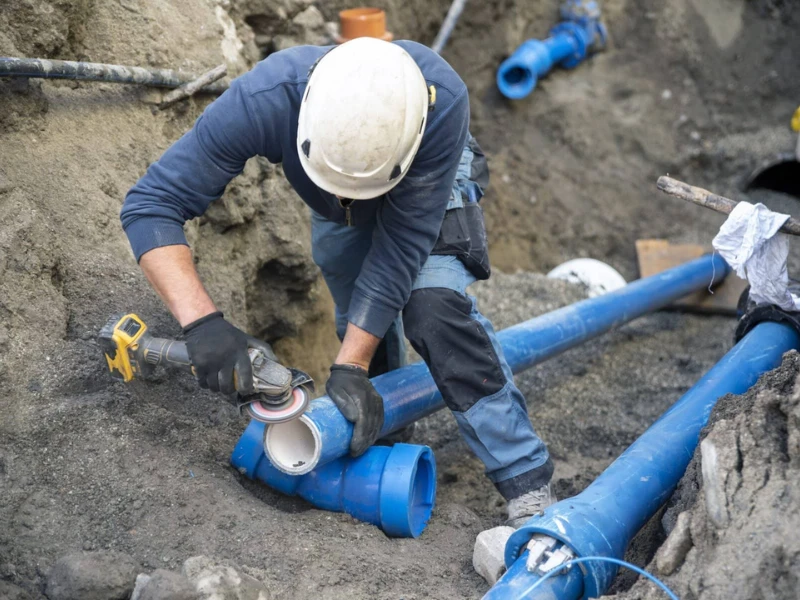
A drainage system is engineered for a certain volume of water per hour. Under normal conditions there is plenty of spare capacity. A severe thunderstorm can drop that same amount in a fraction of the time, and the surplus has to go somewhere. When the pipes are full, water backs up along the path of least resistance — into streets, yards and basements.
Two things make this worse on private property. First, poorly managed stormwater: clogged gutters, downspouts that discharge next to the foundation, and blocked catch basins all dump runoff exactly where you do not want it. Second, an obstructed or deteriorated service line. If your lateral already carries a partial blockage, root intrusion or a sag, it cannot handle even normal flow, let alone a storm surge.
- Saturated ground. Once the soil cannot absorb more water, the excess sits against foundations and pushes toward any opening.
- Full city main. When the public sewer reaches capacity, gravity connections no longer drain.
- Blocked private line. Grease, roots or a belly reduce capacity so the line fails under load.
- Poor surface drainage. Runoff from roofs and hard surfaces funneled toward the house.
Combined Sewer Systems Explained
The single biggest factor in Chicago's rain-related basement flooding is the combined sewer. Instead of two separate systems — one for sewage, one for stormwater — older cities like Chicago route both into the same pipes. That design worked when the city was smaller and paved surfaces were fewer, but it is easily overwhelmed today.
When rain arrives, stormwater rushes in from street drains, catch basins and building downspouts that connect to the sewer. The combined pipe fills and, when it cannot carry the load, it "surcharges" — it becomes pressurized. Anything connected to it by gravity, including your basement floor drains and low fixtures, becomes an outlet for that pressurized mix of stormwater and sewage.
If sewage comes up through a floor drain during rain, the problem is a surcharging main, not a leak in your home. Snaking your line will not fix it. The proper solution is backflow protection plus better stormwater management.
To reduce the load, the region has invested in deep tunnels and reservoirs that store excess combined flow until treatment capacity is available. These help, but they cannot eliminate backups during the most intense storms, so every property still benefits from its own defenses. For a broader look at the mechanisms at work, see our article on the causes of sewer backups in Chicago.
Why Basements Flood First
Basements are the lowest point in the home, so water always finds them first. There are three main ways rain-driven water enters:
| Entry path | What is happening |
|---|---|
| Floor drain or low fixture | Sewage and stormwater pushed backward by a surcharging combined sewer. |
| Foundation cracks and seepage | Rising groundwater and saturated soil forcing water through walls and floors. |
| Failed or overwhelmed sump pump | Groundwater reaches the sump faster than it can be discharged, or power is lost. |
It is common for two or even all three to happen at once. A basement can take on sewage from the drain while groundwater seeps through the wall, and a sump pump that has lost power during the storm cannot help with either. That is why a layered approach to protection works far better than relying on any single device.
Protecting Your Basement
You cannot stop the rain, but you can dramatically reduce the chance that it ends up in your basement. The most effective protections work together:
- Install a backwater valve. This one-way valve allows water to leave but seals against reverse flow during a surcharge. It is the single best defense against sewage backups, and it must be inspected and cleaned periodically to keep functioning.
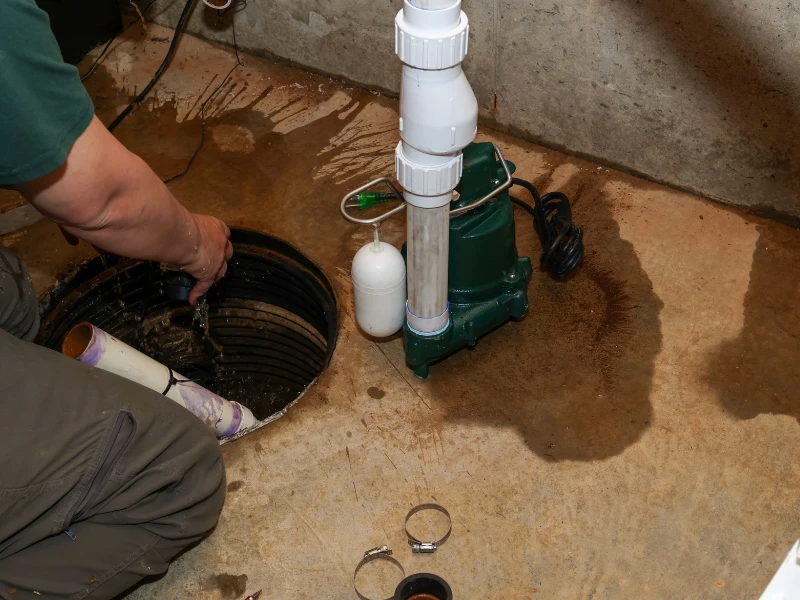
- Keep your sump pump in top shape. A reliable pump removes groundwater before it rises. Add a battery backup so it keeps running during storm-related power outages, and consider a secondary pump for redundancy. Our team handles sump pump repair and can test and service your system.
- Manage stormwater at the surface. Clean gutters and downspouts, extend discharge lines well away from the foundation, and make sure water drains away from the house rather than pooling against it.
- Maintain your service line. Clearing the line with sewer line repair or drain cleaning restores capacity so it can handle a storm surge.
- Consider foundation waterproofing. Sealing cracks, adding interior drainage and a vapor barrier reduces groundwater seepage during prolonged rain.
Backup and flooding protection is far easier to install on a dry, calm day. If you are already pumping out water, keep safety first and follow a proper cleanup plan — our guide on what to do if your basement floods walks through each step.
Storm Drain and Sump Maintenance
Most of the protection above only works if it is maintained. A storm is not the time to discover that a drain is clogged or a pump is dead. Build these tasks into your routine.
- Test your sump pump seasonally. Pour water into the basin and confirm it activates, drains fully and shuts off. Listen for unusual noises and check the discharge line for freezing or blockage.
- Keep catch basins and area drains clear. Leaves, sediment and debris are the top cause of street-level flooding. Professional storm drain cleaning keeps them flowing.
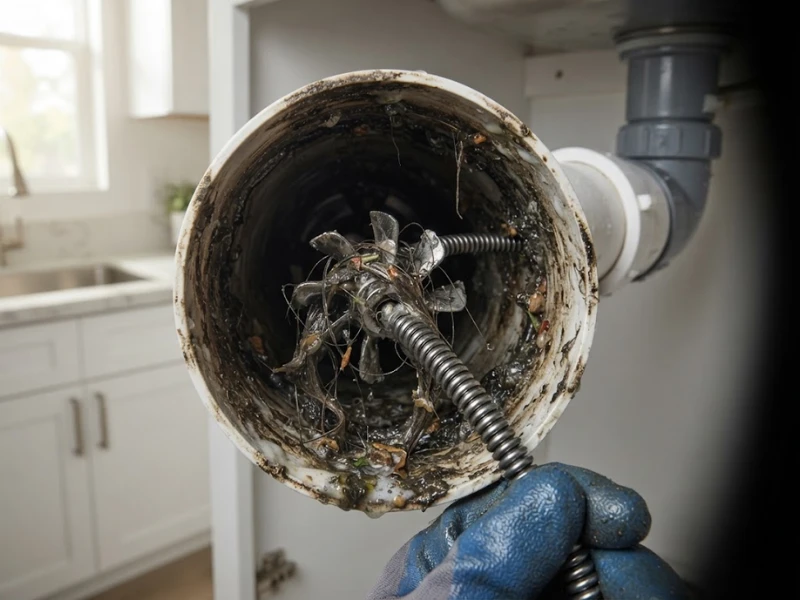
- Inspect the sewer line periodically. A camera inspection reveals root intrusion, cracks or sags before a storm turns them into a backup.
- Clear gutters and downspouts twice a year. Especially before spring storms and after fall leaves drop.
- Check your backwater valve. Confirm it opens and closes freely and is free of debris.
Rain-driven basement problems are largely preventable with the right equipment and a little preventive maintenance. If your home floods every time it pours, it is worth addressing properly rather than enduring another cleanup. Our team can assess your drainage, install backflow protection and service your sump and storm drains so the next storm passes without incident.
Frequently Asked Questions
Why does my basement flood when it rains even though nothing is broken?
Chicago's combined sewers carry stormwater and sewage together. During intense rain the system can surcharge and pressurize, pushing water backward through floor drains and gravity sewer connections. Groundwater can also rise around the foundation and seep in through cracks.
What is a combined sewer system?
A combined sewer collects both sanitary sewage from buildings and stormwater from streets, downspouts and catch basins in the same pipe. It is common in older cities like Chicago and is prone to overflowing when rainfall is heavy.
Will a sump pump keep my basement dry in heavy rain?
A sump pump is very effective at removing groundwater and water that reaches a sump basin, but it does not block sewage from backing up a city line. For that you also need a backwater valve. A battery backup keeps the pump running during power outages.
How do I stop sewage from coming up my floor drain?
A licensed plumber can install a backwater valve, which allows wastewater to flow out but seals to prevent reverse flow during a surcharge. Keeping floor drains and the service line clean, and reducing how much stormwater enters the system, also lowers your risk.
What should I do if my basement is flooding during a storm?
Do not enter water that may be touching outlets or appliances. Stop using water in the home, keep children and pets away, and call a professional once it is safe. Follow a documented cleanup and drying process within 24 to 48 hours to prevent mold.
Does my homeowners insurance cover rain-related basement flooding?
Standard policies usually exclude flooding from rain or groundwater. That coverage generally requires separate flood insurance or a water and sewer backup endorsement. Check your policy and document any damage carefully before cleanup.