
Tree Roots in Sewer Lines: Signs, Damage and Solutions
Tree roots are one of the most common reasons sewer lines fail in Chicago, especially in older neighborhoods where clay tile laterals run beneath mature parkway trees. The roots themselves are doing nothing wrong — they are simply following water and nutrients into the weakest points of your pipe. The good news is that root intrusion is usually fixable, and modern trenchless methods mean many repairs no longer require digging up your yard.
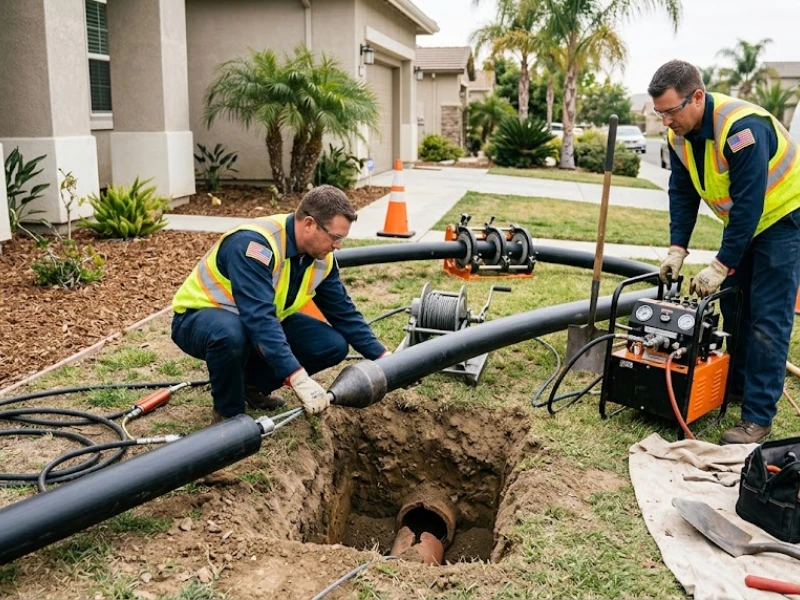
Why Roots Invade Sewer Lines
Sewer laterals are the pipes that carry wastewater from your home to the city main. In Lincoln Park and much of Chicago's North Side, many of these lines were installed decades ago as clay tile, joined in short segments with mortar or gaskets. Those joints loosen and crack over time, and every small opening becomes an invitation for roots.
Roots are drawn by three things your sewer provides: warmth, moisture and nutrients. A sewer line running beneath a lawn or parkway stays relatively warm through Chicago winters, and the water inside carries organic material plants can use. A root tip finer than a human hair can slip through a hairline crack, then thicken and branch as it feeds. Over months and years, what began as a single thin root becomes a dense mat or "root ball" that fills the pipe.
Certain trees are repeat offenders. Willows, maples, elms, poplars, oaks and sycamores have aggressive, far-reaching root systems. Even a tree planted well away from your line can send roots several times the width of its canopy in search of water. That is why root problems often appear in homes where the nearest tree seems too far away to matter.
Signs You Have Root Intrusion
Root intrusion rarely announces itself with a dramatic failure. It tends to build gradually, which is why homeowners often mistake the early stages for a minor clog. Watch for these warning signs:
- Repeated slow drains. If multiple fixtures — tub, sink and toilet — drain slowly at the same time, the problem is usually the main line, not a single fixture.
- Gurgling toilets. Bubbling or gurgling after you run water suggests trapped air from a partial blockage.
- Frequent clogs. A line that keeps clogging every few months even after snaking is a classic sign of roots regrowing.
- Sewage odors. A persistent smell of waste in the basement or near floor drains points to a break or blockage in the sewer.
- Backups and standing water. Wastewater rising from a floor drain or basement fixture means the line is seriously obstructed.
- Indoor pests or a sunken yard. Small roaches or rodents attracted to a break, and a soft or sunken patch in the lawn above the line, both suggest escaping water and soil.
Note which fixtures are affected and how often clogs return. This history helps a plumber pinpoint the problem fast. A simple sewer camera inspection gives you a definitive answer instead of guessing.
The Damage Roots Cause
Roots do damage in stages, and the longer they go unaddressed, the more expensive the repair becomes. It helps to understand what is happening underground:
| Stage | What happens inside the pipe |
|---|---|
| Entry | A fine root tip slips through a crack or loose joint and begins feeding. |
| Growth | Roots thicken and branch, trapping grease, paper and debris to form a growing blockage. |
| Pressure | Expanding roots pry joints apart and widen cracks, displacing the pipe. |
| Failure | Pipe sections separate, crack or collapse; soil enters and a sag or "belly" forms. |
The most visible result is a backup, but the hidden damage matters more. Once a pipe is displaced, the ground around it washes away, and a void can develop under your yard, driveway or even a sidewalk. That is why a persistent root problem eventually turns into a full sewer line replacement rather than a simple cleaning. If you are already seeing the symptoms above, our guide to damaged sewer line warning signs walks through what to check next.
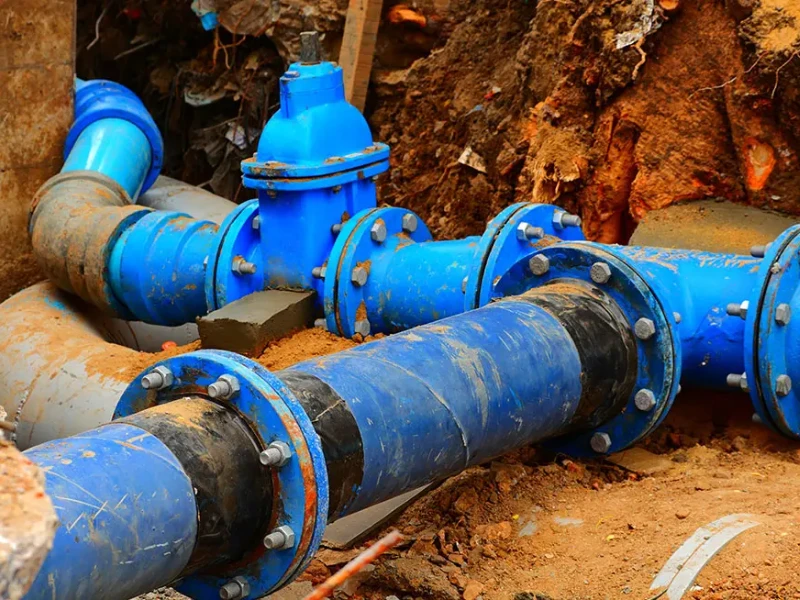
Solutions: Cutting, Jetting and Trenchless Repair
There is no single fix that suits every line; the right approach depends on how badly the pipe is damaged. A professional starts with camera inspection to see the roots' location and the pipe's condition, then recommends the least invasive option that will actually work.
- Root cutting (mechanical augering). A cutting head fed down the line slices through roots. It restores flow quickly, but because the roots remain outside the pipe, they regrow. It is best for mild, occasional intrusion and is usually paired with follow-up maintenance.
- Hydro jetting. High-pressure water scours the pipe walls and flushes away roots, grease and scale. Hydro jetting is more thorough than a basic snake and leaves the line genuinely clean.
- Trenchless lining (CIPP). For cracked or separated pipe, a resin-saturated liner is inserted and cured against the old pipe wall, creating a smooth, root-resistant new pipe inside the old one. No tree removal, minimal digging.
- Pipe bursting and spot repair. Severely collapsed or heavily damaged sections can be replaced by pulling a new pipe through the old one, or by replacing just the failing segment.
If your drains also back up regularly at sinks and showers, root intrusion and everyday buildup often go together. Clearing the branch lines with drain cleaning and the main line with sewer line repair handles both at once. The key takeaway: cutting roots buys time, but repairing or lining the pipe is what solves the problem permanently.
Caustic products may clear a path temporarily, but they rarely reach the roots causing the real damage, they can harm your pipes and the environment, and they give false confidence while the pipe continues to degrade.
Preventing Future Root Problems
Once the line is clear or repaired, a little maintenance goes a long way toward keeping roots out for good.
- Schedule a camera inspection. An annual or biennial check on older clay laterals catches regrowth before it causes a backup. It is far cheaper than an emergency call.
- Keep the line clean. Routine hydro jetting or drain cleaning removes the debris that roots use to gain a foothold.
- Be careful with new plantings. Keep trees and large shrubs well away from the known path of your sewer lateral, and choose slow-growing species near the line.
- Fix small defects early. A cracked joint or offset that is caught early can be lined or spot-repaired before roots and soil destroy the whole run.
- Consider a liner proactively. If your line is old clay and repeatedly troubled, a cured-in-place liner can put the root problem behind you for decades.
Root intrusion is a battle of attrition. The homeowner who inspects and maintains wins; the one who ignores the early warning signs eventually faces a flooded basement and a major repair. Reach out to our sewer line team if you suspect roots are already at work.
Frequently Asked Questions
How do tree roots get into a sewer line in the first place?
Roots enter through existing defects: hairline cracks, loose joints or older clay pipe connections. Because sewer lines carry warm water and nutrients, roots are drawn to them, and a root tip barely thicker than a hair can force its way in and expand over time.
Can tree roots really crack a sewer pipe?
Yes. As roots grow they exert steady pressure inside joints and cracks, widening them until the pipe separates or collapses. Once the pipe is displaced, soil washes in, a sag or belly forms, and the line can fail completely.
Will cutting the roots solve the problem permanently?
Cutting alone is temporary because roots regrow toward the same moisture source, often within a year or two. Lasting results combine root cutting or hydro jetting with a camera inspection, and in damaged lines a trenchless liner or replacement.
Does homeowners insurance cover tree root damage to a sewer line?
Most standard policies exclude damage from tree roots and gradual deterioration. Coverage usually depends on whether a sudden event such as a collapse caused the loss, so review your policy and speak with your insurer before scheduling work.
How often should I have my sewer line inspected for roots?
With large trees or older clay pipe near the line, an annual camera inspection is wise. For most Chicago homes, a check every one to three years — or any time drains slow repeatedly — catches intrusion before it becomes a backup.
Can I prevent roots from returning?
Regular cleaning and inspection, careful landscaping and repairing small defects early all help. For chronically troubled older lines, a cured-in-place liner creates a smooth, root-resistant pipe that keeps roots out for the long term.