
When to Call an Emergency Plumber
Not every plumbing problem needs a midnight call. Some can wait for a scheduled visit, while others will cause thousands of dollars in damage every hour they go unaddressed. This guide helps Lincoln Park homeowners tell a true plumbing emergency from a problem that can safely wait until morning.
What Counts as a Plumbing Emergency
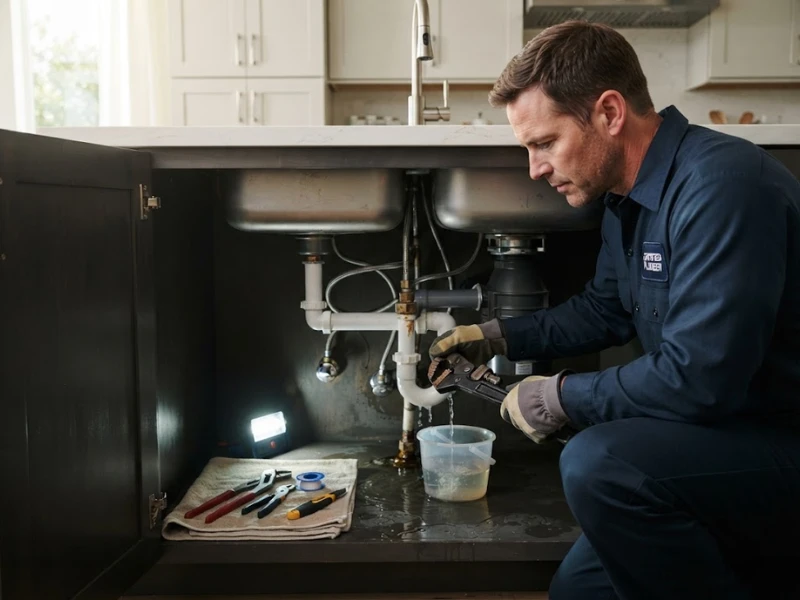
A plumbing emergency is any problem that threatens your safety, is actively damaging your home, or leaves you without water or working drains. The common thread is urgency: without fast professional help, the situation gets worse and more expensive.
It helps to think in terms of three questions. Is water escaping where it should not be? Is there a health or safety risk, such as sewage or gas? And are you unable to use water for drinking, cooking, bathing or flushing? If the answer to any of these is yes, it is likely an emergency.
Water escaping uncontrollably, a safety or sanitation hazard, or no usable water — any one of these means you should call now. A slow drain, a running toilet or a single dripping faucet almost never qualifies.
If you are ever unsure, call and describe what you see. A good dispatcher would rather tell you it can wait until morning than have you risk a flooded home overnight.
True Emergencies You Should Call About Now
These situations cause damage, endanger health, or leave your home unlivable. Call for emergency plumbing right away.
- Burst or leaking pipes. Water can pour into floors and ceilings within minutes. Shut off the main valve and call immediately. Our burst pipe emergency guide walks through the first hour.
- Sewage backing up into the home. Raw sewage carries bacteria and viruses and is a serious health hazard. Stop using water and request sewer line service.
- No water at all. A total loss of water usually points to a major supply or main line failure that needs prompt attention.
- No hot water in cold weather. A failed water heater in the middle of a Chicago winter is more than an inconvenience — see no hot water service.
- Water heater leaks or rumbling. A leaking tank can flood a room, and popping sounds can signal dangerous pressure buildup.
- Gas smells or water near electricity. Water and electricity together are lethal, and a gas odor means leaving the home and calling your utility first.
- Flooding you cannot stop. If water keeps rising after you shut off the supply, get help fast — see what to do when your basement floods.
Problems That Can Usually Wait
Not everything is an emergency, and treating a minor issue as one can mean an unnecessary after-hours premium. These problems are annoying but generally safe to schedule during normal hours — provided you can contain them.
| Problem | Why it can wait |
|---|---|
| A single slow drain | Water still flows; a drain cleaning visit resolves it. |
| A running or noisy toilet | Wastes water but is not an active leak — schedule toilet repair. |
| A dripping faucet | Costs a little water; a faucet repair can be scheduled. |
| A hidden, slow leak | Book leak detection soon, but it is rarely an after-hours call. |
| A weak shower or low fixture pressure | Usually a localized issue that can be diagnosed on a regular visit. |
Even a "can wait" problem deserves prompt attention if it is getting worse. A slow leak behind a wall can do significant damage over time. Book a leak detection appointment within a few days rather than weeks.
What to Do Before Help Arrives
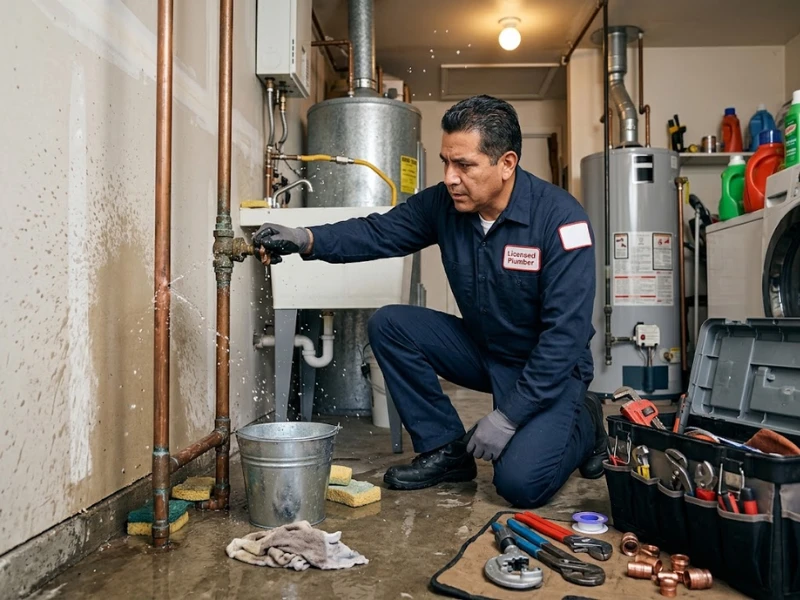
While the plumber is on the way, small actions reduce damage and speed up the repair. Work through these steps in order, and stop if any of them would put you in danger.
- Shut off the water. Close the nearest fixture valve, or the main valve if the leak is larger. If you have never located it, this is the moment to learn — see our guide on the main water shut-off valve (or the burst-pipe playbook linked above).
- Cut power only if it is safe. Never touch a breaker panel while standing in water.
- Contain and clear. Use towels and buckets, move belongings clear, and keep people and pets away from the affected area.
- Document the damage. Photos and video help your insurance claim.
- Clear a path. Make sure the technician can reach the problem and the shut-off.
Why a Local Emergency Plumber Matters
When water is pouring into your home, response time is everything. A local plumber who knows Lincoln Park and Chicago's North Side can get to you faster, understands the building stock and its quirks, and knows the local code requirements for repairs.
Older buildings around Lincoln Park often have galvanized or aging copper supply lines, combined storm-and-sanitary sewers, and finished basements that make water damage worse. A plumber who works in these homes every day can diagnose the cause faster and repair it correctly the first time.
If the problem involves roots or a blockage in the lateral, camera inspection or targeted sewer line repair may be the answer. If it is a hidden supply leak, leak detection pinpoints it without tearing open walls. Call (773) 514-3504 any time, day or night, and we will help you decide on the right next step.
Frequently Asked Questions
What counts as a plumbing emergency?
A plumbing emergency is any problem that threatens safety, causes ongoing water damage, or leaves your home without essential water or drainage. Burst pipes, sewage backups, no water, no hot water in cold weather, and gas or water heater leaks are all emergencies. A slow drain or a dripping faucet is not.
Is no hot water an emergency?
It depends on the circumstances. If the water heater is leaking, making popping or rumbling sounds, or producing no hot water at all during cold weather, treat it as an emergency. If it simply takes a little longer to heat, it can usually wait for a scheduled visit.
Should I call a plumber or a sewer company for a backup?
A licensed plumber can diagnose and clear most residential sewer backups, including root intrusion and blockages in the lateral line. If the main city line is blocked, the plumber can help identify that and coordinate. Stop using water immediately and call for help.
Can I wait until morning for a plumbing problem?
You can wait if the problem is cosmetic or slow moving and you can safely shut off the affected water. You should not wait if water is actively flowing, sewage is backing up, you have no water, or you smell gas. When in doubt, call and describe the situation.
What should I do before the emergency plumber arrives?
Shut off the water at the nearest valve or the main, cut power to affected areas only if it is safe to reach the panel, clear a path for the technician, and keep people and pets away from the water and any electrical hazard. Document the damage for your insurance claim.
Do you offer after-hours emergency plumbing in Lincoln Park?
Yes. Plumber Lincoln Park handles emergency plumbing calls seven days a week across Lincoln Park and Chicago's North Side. Call (773) 514-3504 and describe the problem so we can prioritize the right response.