
Why Your Toilet Clogs Repeatedly (and How to Fix It)
Every toilet clogs once in a while, but a toilet that backs up again and again is telling you something more serious is wrong. Repeated clogs usually mean a partial blockage, a weak-flushing older toilet, a main line problem or a venting issue — not bad luck. Here is how to tell the difference and what actually fixes it.
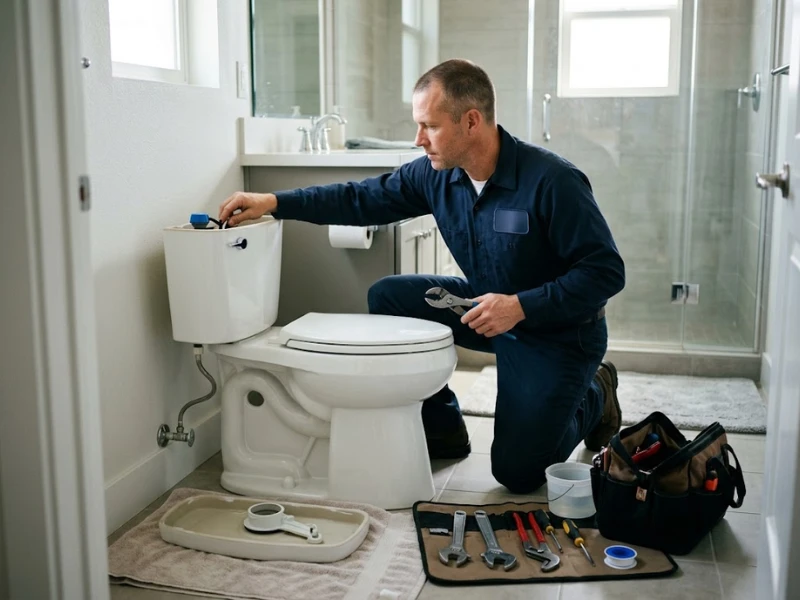
When a Clog Is More Than a Clog
An occasional clog is normal. Toilet paper, too much paper at once, or a small child's experiment can block any toilet. What matters is the pattern. When the same toilet clogs week after week, or when plunging only buys you a day or two of normal use, the problem is not the clog itself — it is whatever keeps creating it.
A single recurring toilet usually has a localized cause: a partial obstruction in the toilet's internal trapway or the short branch pipe that runs to the main drain. When more than one fixture is involved, the story changes. If a sink, shower or second toilet gurgles or backs up around the same time, the blockage is in the shared main line, and no amount of plunging the toilet will solve it. Learning to read that clue saves a lot of guesswork.
Fill a nearby sink or run the shower. If those drains also slow down or gurgle, the problem is in the main line, not the toilet. That calls for professional drain cleaning, not a plunger.
Common Causes of Repeat Clogs
Most recurring clogs trace back to one of these causes:
- Too much toilet paper. The most ordinary cause, especially with thick or multi-ply paper. Older toilets with weak siphons handle it poorly.
- Foreign objects. Wet wipes ("flushable" or not), paper towels, feminine products, cotton balls, dental floss and children's toys do not break down and snag in the trapway.
- Scale and mineral buildup. In hard-water areas, minerals coat the trapway and narrow the passage over time.
- A partly blocked branch line. Debris or a sagging pipe section holds waste and re-clogs after every flush.
- A failing flush. A worn flapper or low water level means a weak flush that does not fully clear the bowl.
- A venting problem. Without air behind the water, the drain cannot flow properly.
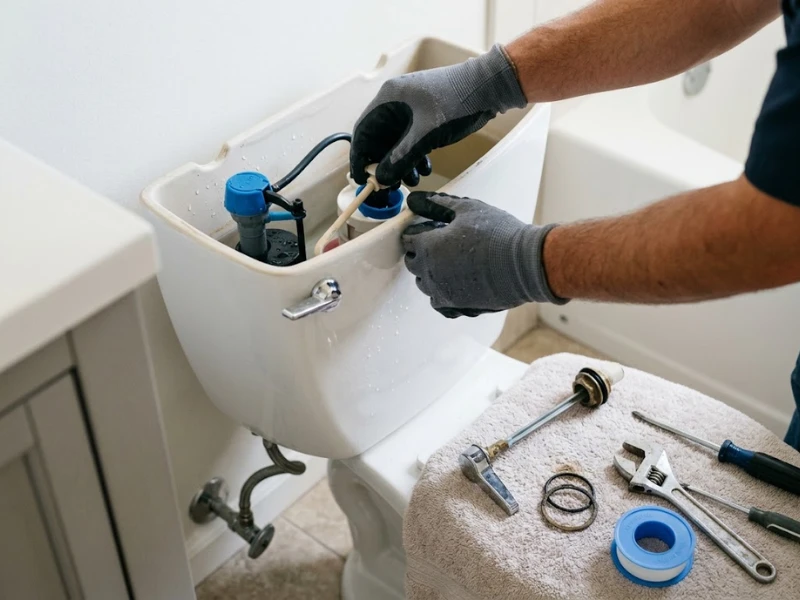
For the flushing side of the equation, a toilet that runs constantly wastes water and can signal a worn flapper or fill valve — see our guide on why a toilet keeps running. On its own that is a water bill problem; combined with repeat clogs, it often points to a toilet that is ready for service or replacement.
Older Low-Flow and Early Toilets
If your toilet was made in the 1990s, there is a good chance it is a first-generation low-flow model. Federal rules in 1994 limited new toilets to 1.6 gallons per flush, and early designs often met the letter of the law while flushing poorly. They had shallow bowls and narrow trapways, and they clogged far more than the 3.5-gallon toilets they replaced.
This matters because a weak-flushing toilet will keep clogging no matter how carefully you use it. Modern high-efficiency toilets are tested against the MaP (Maximum Performance) standard, which measures how much waste a toilet can clear in a single flush. Many current models clear 1,000 grams or more while using 1.28 gallons or less — more waste, less water. If your older toilet clogs routinely despite reasonable use, replacement is often the most cost-effective fix, and it saves water at the same time.
| Sign | Likely cause | Typical fix |
|---|---|---|
| One toilet clogs weekly | Partial trapway or branch-line blockage | Auger or toilet repair |
| Weak flush, low water | Worn flapper or fill valve | Repair or rebuild kit |
| Frequent clogs, 1990s toilet | Early low-flow design | Replace the toilet |
| Multiple fixtures back up | Main line blockage | Drain or sewer line service |
Main Line and Vent Problems
When repeat clogs affect more than one fixture, suspect the main line. In older Chicago homes, the main drain may be clay or cast iron that has shifted, cracked or collected scale over decades. Tree roots are another classic culprit: they enter through small cracks and joints and grow into a mat that catches waste, causing periodic backups that get worse with every passing season.
A clogged main line should never be treated with repeated plunging or chemical drain cleaners. Chemicals rarely clear a full blockage, can damage older pipes and pose a serious safety risk. The right approach is mechanical cleaning — cable or hydro jetting — plus a camera inspection to find out whether the blockage is a one-time clog or a failing pipe. If the line is damaged, sewer line repair may be needed.
Venting is the other hidden factor. Every drain needs air behind the water to flow. If a vent stack is blocked by debris, a bird's nest or winter ice, the drain loses that air supply and flushes become slow, gurgly and clog-prone. A plumber can test the vent and clear it, which often resolves mystifying repeat clogs on an otherwise clear line.
Fixes and Prevention
What you do next depends on the cause. Start with prevention, then escalate to professional service if the pattern continues.
- Flush only the three P's: pee, poop and toilet paper. Never wipes, paper towels or feminine products.
- Use less paper per flush. Flush twice with less than once with too much.
- Plunge correctly. Use a flange plunger that seals the drain hole, and plunge with the water level high enough to cover the cup.
- Try a toilet auger for stubborn clogs. It reaches the trapway where a plunger cannot.
- Address the toilet itself. A worn flapper or fill valve should be rebuilt so the flush is strong.
- Never use chemical drain cleaners. They damage pipes and are dangerous around standing water.
- Schedule a professional inspection if clogs return, especially with gurgling or multi-fixture backups.
A quick toilet tune-up — new flapper, correct water level, an auger check of the trapway — costs far less than repeated emergency calls and often stops the clog cycle for good.
If your toilet has clogged three or more times in a few months, stop guessing and get it diagnosed. Plumber Lincoln Park can clear a stubborn clog, rebuild or replace the toilet, and inspect the drain and main line to find the real cause. Call us at (773) 514-3504 and we will get to the bottom of it.
Frequently Asked Questions
Why does my toilet keep clogging?
Recurring clogs usually point to a partial blockage in the toilet's trapway or branch line, an older low-flow toilet with a weak flush, a main line blockage shared with other fixtures, or a venting problem. A single clog is normal; repeated clogs mean something structural is wrong.
How can I tell if the clog is in my toilet or the main line?
If only one toilet clogs and other drains are fine, the blockage is likely in that toilet or its branch line. If another toilet, shower or sink backs up or drains slowly at the same time, the blockage is in the main line and needs professional service.
Can a vent problem cause a toilet to clog?
Yes. Every drain needs air behind the water to flow. A blocked or frozen vent traps air in the line and causes slow, gurgling flushes that clog easily, even when the drain is clear. A plumber can test and clear the vent stack.
Do old low-flow toilets clog more often?
Some do. First-generation low-flow toilets from the 1990s often flushed poorly and had narrow trapways. Modern high-efficiency models clear far more waste per flush, which is why replacing an aging toilet often ends the clog cycle.
When should I call a plumber for a recurring toilet clog?
Call a plumber if the toilet clogs repeatedly despite careful use, if plunging clears it only briefly, if other fixtures back up, if drains gurgle, or if the toilet is an older low-flow model. These signs point to a deeper blockage or a plumbing defect.