
Kitchen Drain Clog vs. Sewer Line Clog: How to Tell
When the kitchen sink backs up, most people assume it is just another grease clog and reach for the plunger. Sometimes that is right. Other times the water is rising because the main sewer line is blocked, and every attempt to clear the sink makes a bigger mess. This guide explains how to tell the two problems apart and what to do next.
Why Location Matters
A drain clog is simply a blockage somewhere in the path water takes from your fixture to the city sewer. The path has three parts: the fixture drain, the branch line that serves one room, and the main sewer line that carries everything out of the house. Where the blockage sits determines how bad the problem is and what it takes to clear it.
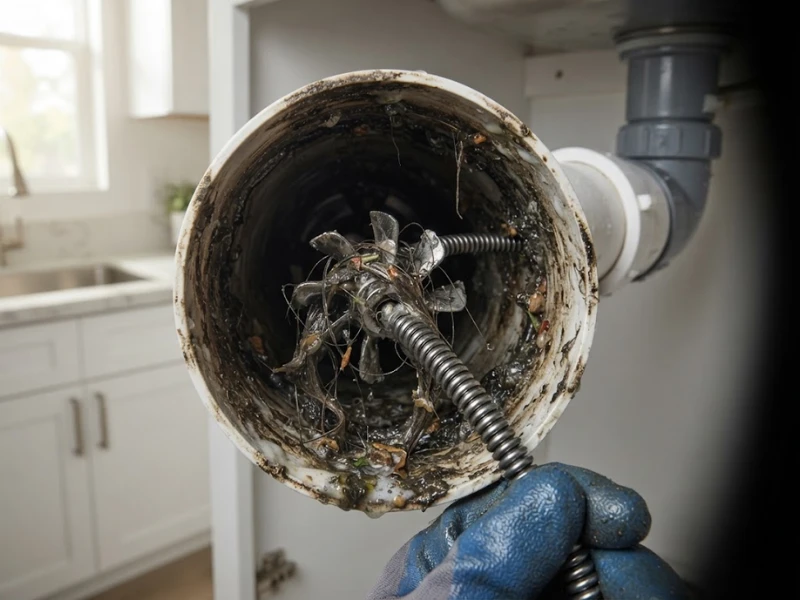
A kitchen drain clog lives close to the sink. It forms in the P-trap, the tailpiece or the short horizontal run behind the cabinet, and it almost always involves grease, food scraps and soap scum. It is annoying but contained. You can usually clear it yourself in ten minutes.
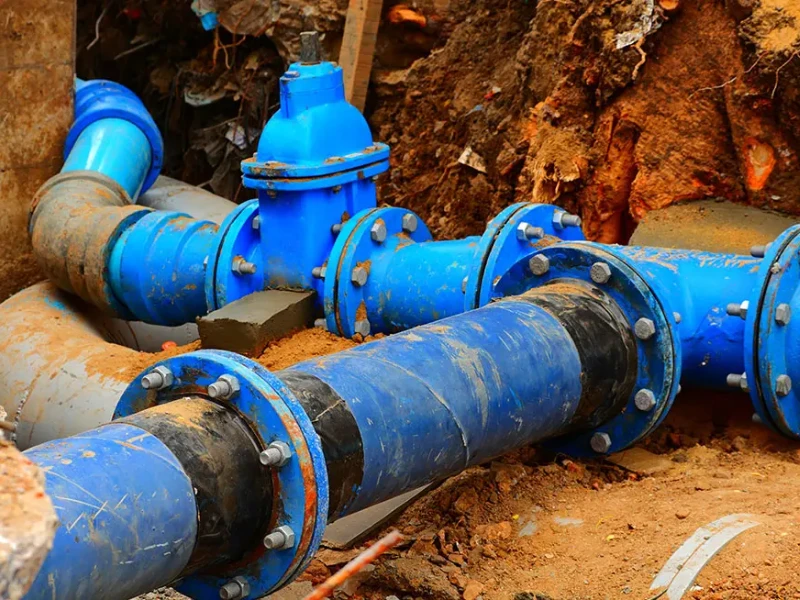
A sewer line clog is a different animal. It blocks the pipe that every drain in the home feeds into, or the lateral that runs from your foundation out to the street. When that pipe stops up, waste has nowhere to go and starts looking for the lowest opening it can find. In a Lincoln Park two-flat that might be a basement floor drain or the laundry tub. Treating a main line blockage like a sink clog wastes time and can push wastewater into places you really do not want it.
Signs of a Kitchen Drain Clog
A local sink clog has a fairly obvious signature. Watch for these clues:
- Only the kitchen sink is affected. The bathroom, tub and toilets drain normally.
- Water drains slowly but always drains. It pools for a while, then gurgles away.
- The problem appeared gradually. Slow drainage built up over days or weeks as grease accumulated.
- You recently put something problematic down the drain. Coffee grounds, rice, eggshells, potato peels and cooking fat are the usual suspects.
- There is no smell elsewhere. No sewage odor from other fixtures or floor drains.
If those points describe your situation, the blockage is almost certainly in the sink's branch drain. This is the kind of clog that responds to basic tools and a little patience.
Signs of a Sewer Line Clog
When the main line is blocked, the symptoms spread well beyond one sink. The most reliable signs include:
- Multiple fixtures back up at once. Draining the sink makes water rise in the tub or a floor drain.
- Gurgling from other drains. You hear a bubbling sound in the bathroom when the kitchen sink drains.
- Water backs up into the lowest point in the home. Basement floor drains and laundry tubs are first to overflow.
- Slow drainage throughout the house. Toilets, showers and sinks all feel sluggish.
- Sewage odor. A persistent rotten smell near floor drains or cleanouts is a strong signal.
- Wet spots or a soggy yard. A blocked lateral can seep into the yard or through the foundation.
If you suspect a main line clog, stop running faucets, washing machines and dishwashers immediately. Every gallon you send down the drain adds pressure that pushes wastewater toward the lowest fixture in the house. Shut off water use and call a plumber.
How Plumbers Diagnose the Difference
A quick at-home test can point you in the right direction. Fill both kitchen basins with water, then let them drain while you watch a nearby floor drain or tub. If water or gurgling appears there, the blockage is in the main line. If only the sink slows down, the problem is local.
Professionals confirm the diagnosis instead of guessing. The most useful tool is a sewer camera inspection. A flexible camera feeds through the cleanout and shows exactly what is blocking the pipe and where it sits. Grease, roots, scale, a collapsed section and a bellied pipe all look very different on camera, and each needs a different fix. The camera also reveals whether a recurring clog is really a structural problem rather than a simple buildup.
| Clue | Kitchen drain clog | Sewer line clog |
|---|---|---|
| Fixtures affected | One sink | Several or all |
| Gurgling elsewhere | No | Often |
| Sewage odor | Rare | Common |
| Typical cause | Grease and food | Roots, scale, offset pipe |
| Best fix | Snake or trap cleaning | Hydro jetting or repair |
Fixing Each Type of Clog
For a true kitchen sink clog, start gently. Run hot water for a minute, then use a plunger with a tight seal over the drain. If that fails, place a bucket under the P-trap, remove it carefully and clean out the debris by hand. A hand snake can clear a blockage a few feet down the branch line. Avoid chemical cleaners on a recurring problem, because they rarely reach the real blockage and can damage older pipes.
A main line clog is not a plunger job. A short snake may punch a hole through the blockage and let water flow again for a few days, but the debris returns. The durable solution for grease and soft buildup is professional drain cleaning, and for heavy grease, scale or roots, hydro jetting scours the pipe walls clean. If the camera shows a broken, offset or root-damaged line, you will need sewer line repair to correct the cause rather than clear it again and again.
If clogs keep coming back no matter what, the pipes themselves may be the problem. Our article on why older Chicago homes get recurring drain clogs explains the aging-pipe issues behind the cycle. When in doubt, call Plumber Lincoln Park at (773) 514-3504. We can inspect the line, tell you exactly what is happening and clear it the same day.
Frequently Asked Questions
How can I tell if my kitchen clog is in the sink or the sewer line?
A sink-only clog affects one fixture and often clears with a plunger or by cleaning the P-trap. A sewer line clog affects multiple drains, may cause gurgling in other fixtures and can back up into the lowest drain in the home. If water rises in more than one place, suspect the main line.
Will a plunger fix a main sewer line clog?
No. A plunger only moves water and debris a short distance inside the branch drain serving a single fixture. A main line blockage needs a drain snake, hydro jetting or a camera inspection performed by a licensed plumber.
Why does my kitchen sink clog every few months?
Recurring clogs point to buildup or a pipe problem rather than a one-time blockage. Grease, food particles and scale coat the pipe walls, narrowing the opening until it clogs again. Root intrusion or a bellied pipe cause the same pattern and should be checked with a camera.
Can I use chemical drain cleaner on a sewer line clog?
Chemical cleaners are a poor fit for main line clogs, because there is far too much debris for a small bottle of product to clear. The chemicals can also damage older pipes and create a hazard for the plumber who opens the line. Mechanical methods are safer and more effective.
When should I call a plumber for a clogged drain?
Call a plumber when more than one fixture is affected, when water backs up into a tub or floor drain, when you smell sewage, or when a clog keeps returning after you clear it. Plumber Lincoln Park can diagnose the cause with a camera and clear it the same day.