
Water Heater Popping Noises: Causes and What to Do
A popping, rumbling or crackling sound from your water heater is not just an annoyance — it is your unit telling you something is wrong inside the tank. Most of the time the culprit is sediment buildup. Here is what the noise means, how it damages the heater, and how flushing and maintenance can quiet it down.
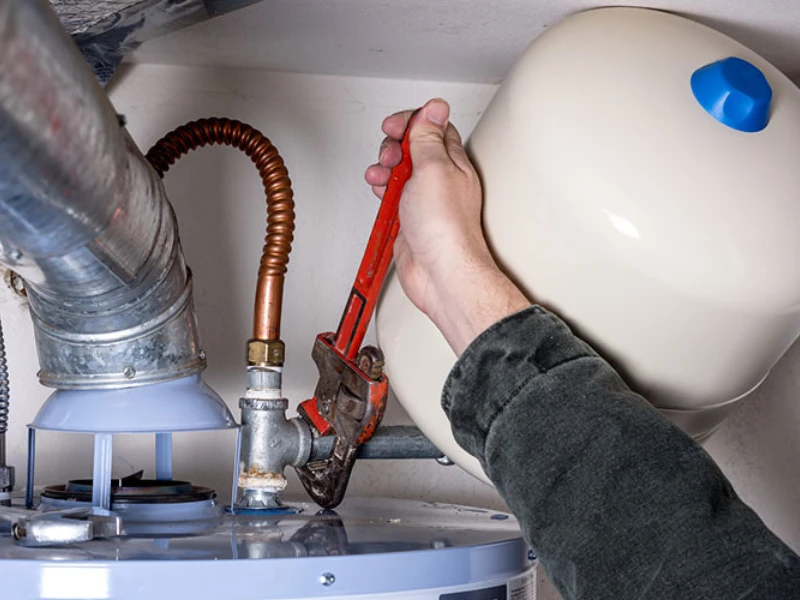
What the Popping Sound Means
That popping or banging is literally water boiling under a layer of mineral crust. As your water heater heats up, sediment settles and hardens on the tank floor and around the heating element. Water gets trapped in pockets beneath this crust. When the burner or element fires and heats that trapped water, it turns to steam, and the steam pushes up through the sediment — producing the pop, bang or rumble you hear.
Different sounds can point to slightly different issues. Rumbling is usually a thick layer of soft sediment. Sharp popping or cracking often means hardened scale directly on the heating element. A hissing or sizzling noise can indicate a small leak dripping onto a hot burner. Any of these is a signal that the inside of the tank needs attention.
While popping is not an immediate emergency, it is an early warning. The same sediment that makes noise also insulates the water from the heat source, forcing the unit to run longer and hotter. Over time that stress shortens the tank's life and can lead to a leak from the bottom.
Why Sediment Builds Up
Sediment is simply the minerals that were dissolved in your water before it was heated. Water in the Chicago area, like much of the Midwest, contains calcium and magnesium — the minerals that make water "hard." Cold water can hold these minerals in solution, but heating causes them to fall out and collect as scale.
- Hard water. The harder your water, the faster sediment accumulates on the tank floor and elements.
- High usage. The more hot water you draw, the more fresh mineral-laden cold water enters and the faster scale builds.
- Higher temperatures. A tank set hotter accelerates mineral precipitation and scale hardening.
- Age. Sediment accumulates continuously; a tank that has never been flushed is almost certain to have a thick layer after several years.
Because the minerals settle to the bottom, they sit right on top of the lower heating element and the burner flame, which is exactly where they do the most damage. This is also why a unit that has never been maintained tends to run short on hot water over time — see our guide to water heaters running out of hot water for the connection.
The Damage Sediment Causes
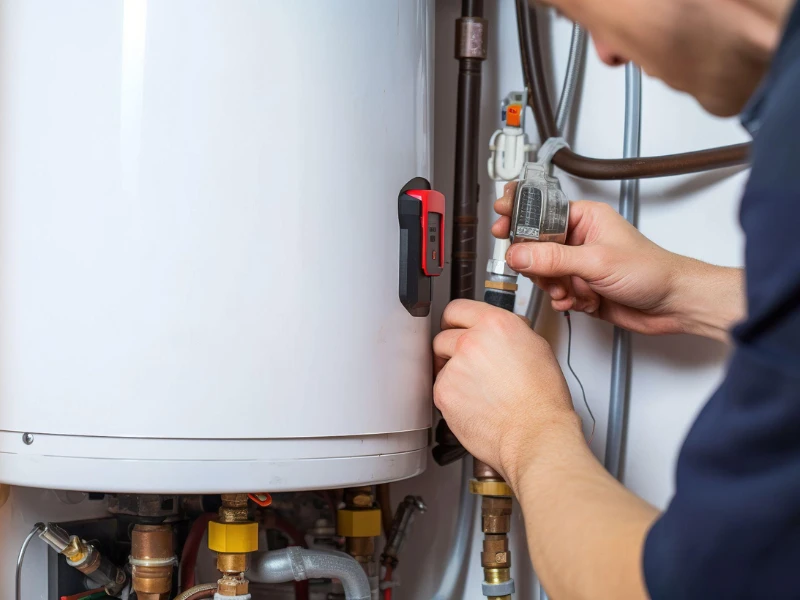
Popping is the audible symptom, but sediment quietly does several kinds of costly damage at the same time.
| Effect | What it does to your system |
|---|---|
| Insulation | Scales separate water from the heat source, so recovery slows and hot water runs short. |
| Higher energy use | The unit runs longer to reach temperature, raising gas or electric bills. |
| Overheating | Elements and the tank base run hotter than designed, stressing metal and wiring. |
| Premature failure | Stress plus corrosion leads to failed elements, leaks and eventually a cracked tank. |
| Reduced lifespan | A neglected tank may last only a few years past its warranty instead of its full potential. |
On electric units, sediment can cause the lower element to overheat and burn out, which leaves you with only a few minutes of hot water. On gas units, the buildup insulates the tank bottom and can overheat the flue. In both cases, the damage compounds: the longer sediment stays, the harder it is to remove, until it becomes hardened scale that flushing alone cannot clear. That progression is a common reason to consider repair versus replacement.
Flushing and Maintenance
Flushing is the standard fix for a noisy water heater. It drains the tank through the bottom valve, pulling out loose sediment with the water. Here is what a proper flush involves:
- Turn off the heat. Cut power at the breaker or set the gas control to pilot.
- Shut off the cold water supply and connect a garden hose to the drain valve.
- Open a hot-water faucet somewhere in the home to prevent a vacuum.
- Drain the tank, then open the supply briefly in short bursts to stir and flush out more sediment.
- Close the valve, refill the tank fully before restoring power, then test the hot water.
Annual flushing is the cheapest way to prevent popping and extend the life of a tank. In hard-water areas, twice a year is even better. If you have never had it done and the tank is older, let a professional handle the first flush — old valves can seize or leak when opened.
A few other habits help. Keep the thermostat at a sensible setting around 120°F to slow scale formation. If your home has very hard water, consider a water softener or water purification system to reduce the minerals reaching the tank in the first place. And if the unit is near the end of its life, weigh a new, well-maintained tank or a tankless upgrade — our water heater installation team can recommend the right fit.
When to Call a Plumber
Many homeowners can handle a routine flush, but there are clear situations where a professional should take over. Call a licensed plumber if:
- The popping continues after a flush, which suggests hardened scale on the element.
- You see rust, water or moisture around the tank base — this may be a failing tank.
- A heating element or thermostat needs replacing.
- The unit is over eight years old and noisy, since repairs may not be worth the cost.
- The drain valve is stuck, the tank is difficult to access, or you are simply not comfortable draining it yourself.
Our team provides water heater repair that includes flushing, element and thermostat replacement, and full inspection. If the noise is joined by water, treat it as urgent and review our guide to a water heater leaking from the bottom. Catching sediment early is what keeps a noisy heater from becoming a failed one.
Frequently Asked Questions
Is popping from a water heater dangerous?
Popping itself is not an immediate hazard, but it signals sediment buildup that overheats the tank, wastes energy and shortens its life. Left unaddressed, the added stress can lead to leaks, failed elements or a cracked tank.
What causes the popping noise in a water heater?
Sediment such as calcium and magnesium settles on the tank floor and heating element. Water trapped beneath that crust boils and pushes steam up through it, creating the popping or rumbling sound.
Will flushing my water heater stop the popping noise?
In many cases, yes. A thorough flush removes the loose sediment causing the sound and improves efficiency. If sediment has hardened into scale, a deeper cleaning or element replacement may be needed.
How often should I flush my water heater?
Most manufacturers recommend flushing once a year, and twice a year in hard-water areas. Annual flushing is the most effective way to prevent popping and extend the tank's lifespan.
Can hard water cause water heater problems?
Yes. Hard water is high in dissolved minerals that settle as sediment when heated. That buildup is the root cause of most popping, and it also reduces efficiency and can clog fixtures over time.
When should I call a plumber for a noisy water heater?
Call a plumber if the noise persists after flushing, if you also see leaks or rust, if the unit is over eight years old, or if you are not comfortable draining the tank yourself.