
Water Heater Repair vs. Replacement: How to Decide
When a water heater starts acting up, the first question most homeowners ask is simple: fix it or replace it? The right answer depends on the unit's age, the cost of the repair, and how much life is realistically left in the tank. This guide breaks down the decision so you can spend wisely instead of guessing.
When Repair Makes Sense
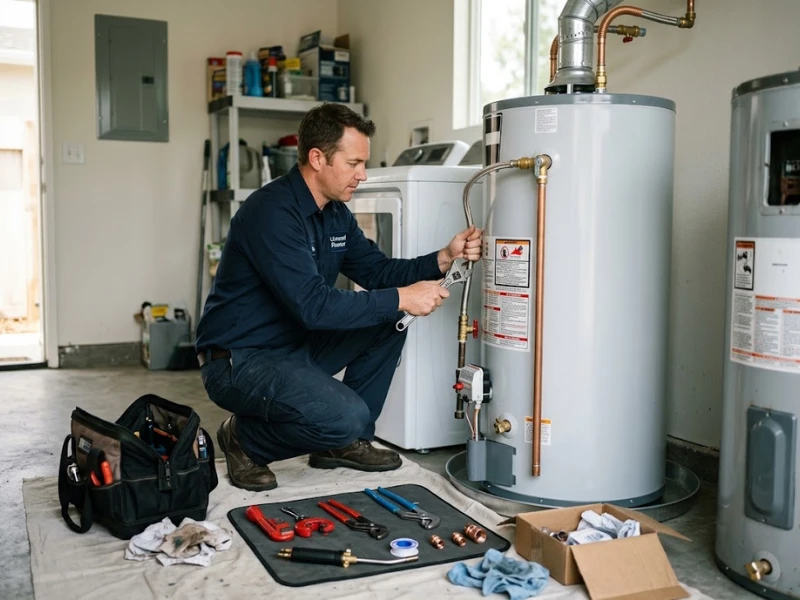
Repair is often the smart call when your water heater is relatively young and the problem is a discrete, replaceable part. A tank that is under six years old and still covered by its manufacturer warranty has plenty of useful life left, and fixing it usually costs a fraction of a new install. Common repairable issues include a failed heating element, a worn thermostat, a faulty thermocouple or igniter on a gas unit, a stuck pressure-relief valve, or a leaking drain valve or fitting.
If the symptoms point to a single component and the tank itself is sound, a water heater repair can have you back to hot showers the same day. Pay attention to how the unit is behaving, too. If it still produces consistent hot water but cycles oddly, runs slightly cool, or shows a small drip at a valve, those are usually straightforward fixes rather than signs the whole system is finished.
If the repair costs less than half the price of a new water heater and the unit is under 8 years old, repair is usually the better value. Past that point, the math starts to shift toward replacement.
One more factor: how long you plan to stay. If you are selling soon or moving within a year, a modest repair may be all you need. If you are settling in for the long haul, investing in a new, efficient unit often pays off.
When Replacement Is the Better Option
Replacement becomes the clear answer when the repair would be expensive, when the unit is nearing the end of its life, or when the tank itself has failed. If you are seeing water pooling under the tank, rust streaks on the shell, or a leak that comes from the tank body rather than a fitting, the steel has corroded through — and no repair can reverse that. You can read more about that specific symptom in our guide to a water heater leaking from the bottom.
Other signs that point toward replacement include:
- Rust-colored or metallic-smelling hot water — usually internal corrosion.
- Rumbling, popping or banging noises — heavy sediment buildup that is hard to reverse.
- Repeated breakdowns — two or three repairs in a year signal a unit on its way out.
- Running out of hot water — a failing element, dip tube or undersized tank; see why your water heater runs out of hot water.
- Rising energy bills — a sign of declining efficiency.
If your unit has no hot water at all and is well past its prime, our team handles no hot water emergencies and can advise you on the spot whether a fix or a fresh install is the right move.
The Role of Age and Warranty
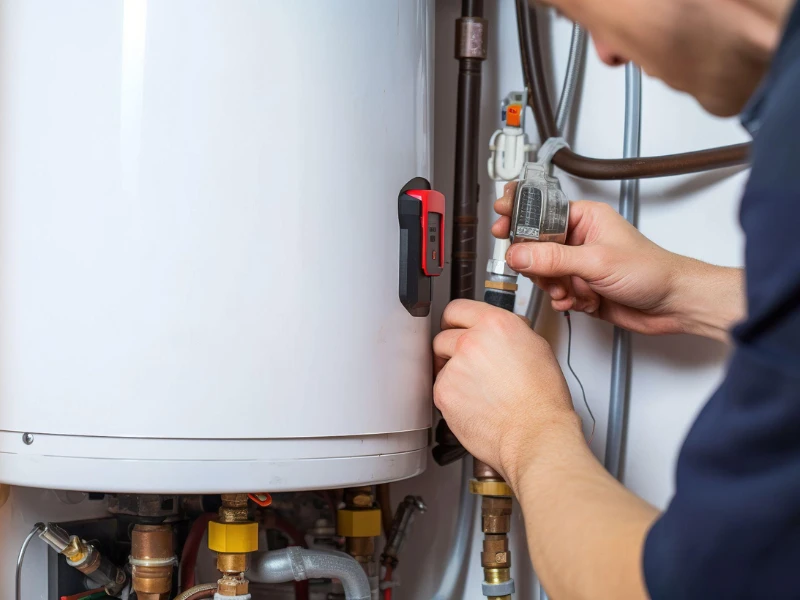
Age is the single strongest signal in this decision. A conventional tank water heater typically lasts 8 to 12 years, and a tankless unit can last up to 20 years with proper maintenance. The manufacturing date is usually printed on the unit's data plate, and the serial number often encodes the build date as well.
Warranty coverage matters just as much. Most tanks carry a 6-year warranty on parts, and some models offer 9, 10 or 12 years. If you are still inside the warranty window, a covered part failure should be repaired rather than replaced — but check the fine print, because warranties usually cover parts only, not the labor to install them, and they typically require professional installation and sometimes annual maintenance to stay valid.
| Age of water heater | General guidance |
|---|---|
| 0–6 years | Repair is usually the best choice, especially under warranty. |
| 7–10 years | Weigh repair cost against remaining life; a major repair may not be worth it. |
| 10–12 years | Near or past the expected lifespan — replacement is usually smarter. |
| 12+ years | Replace it, even if it is still limping along, to avoid a sudden failure. |
Cost and Efficiency Considerations
Money is where the decision often settles itself. A single repair — say a new element, thermostat or thermocouple — generally runs a few hundred dollars installed. A new tank water heater installed, meanwhile, typically falls somewhere between roughly $1,200 and $2,500 in Chicago depending on size, fuel type and venting. The question is whether that repair buys you another year or another five.
Efficiency deserves a place in the math. Older units may operate at well below the efficiency of modern models, and a failing unit that runs longer and hotter to keep up can quietly inflate your gas or electric bill. Newer standard tanks meet updated federal efficiency standards, and high-efficiency and tankless options can cut energy use further. Over several years, those savings help offset the upfront cost of replacement.
| Scenario | Typical recommendation |
|---|---|
| 6-year-old unit, faulty thermostat | Repair |
| 11-year-old unit, failed heating element | Replace |
| Any age, leak from the tank body | Replace immediately |
| 9-year-old unit, repair equals 60% of new cost | Replace |
Choosing the Right New Water Heater
If replacement is the answer, the next step is choosing a unit that fits your home and habits. Think about capacity first: a family of four generally needs a larger tank than a single occupant, and household size drives the recovery rate your unit must deliver. Then decide on fuel type, since natural gas and electric units differ in operating cost, recovery speed and installation requirements.
- Size: Match tank capacity to your household and peak demand.
- Fuel type: Gas usually recovers faster; electric can be simpler to vent.
- Efficiency: Look at the Energy Factor or Uniform Energy Factor rating.
- Venting and space: Tankless and power-vented units have specific venting needs.
- Warranty: Longer tank warranties signal tougher builds.
Professional installation is not optional here. A licensed plumber sizes the unit correctly, handles permits and code requirements, ensures proper venting and gas connections, and registers the warranty. Our water heater installation service covers all of that so the new unit performs safely and efficiently from day one. If you are also weighing tank versus tankless, our comparison guide can help you decide.
Frequently Asked Questions
How long should a water heater last?
A conventional tank water heater typically lasts 8 to 12 years, while a tankless unit can last up to 20 years with regular descaling. If yours is past 10 years old and needs a major repair, replacement usually makes more financial sense.
Is it worth repairing a 10-year-old water heater?
Usually not if the repair is expensive. Once a tank is 10 or more years old and out of warranty, it is near the end of its service life, so spending several hundred dollars on a fix that may not last is often money better applied to a new, efficient unit.
What is the 50 percent rule for water heaters?
If a repair costs more than 50 percent of the price of a new water heater, replacement is generally the better choice. That threshold helps you avoid sinking money into a unit that is already near the end of its life.
Can a leaking water heater be repaired?
A leak from a loose fitting, valve or drain can often be repaired. A leak from the tank itself means the steel has corroded through and cannot be fixed, so the unit must be replaced. Learn more in our guide on water heaters leaking from the bottom.
How much does a new water heater cost in Chicago?
Most homeowners pay somewhere between roughly $1,200 and $2,500 for a standard tank water heater installed, depending on tank size, fuel type, code requirements and venting. Tankless installs cost more upfront but can save energy over time.
Should I replace my water heater before it fails?
Planning ahead is usually cheaper and far less stressful than an emergency. If your unit is 10 or more years old, showing rust, or running out of hot water, replacing it on your schedule beats a sudden failure that can cause water damage.