
Chicago Winter Plumbing Checklist: Prevent Frozen Pipes
Chicago winter is a stress test for any plumbing system. Weeks of single-digit temperatures, wind that pushes cold air through every gap, and older housing stock all combine to freeze pipes and cause water damage. This checklist walks you through what to do before, during and after a deep freeze so you can protect your home and avoid a costly repair.
How Chicago Winters Threaten Your Plumbing
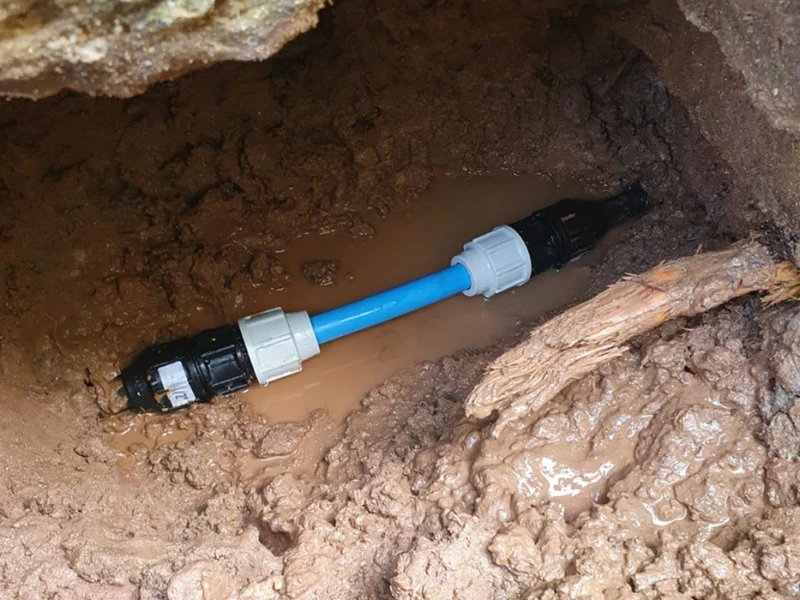
Water expands by roughly nine percent when it freezes, and that expansion creates enormous pressure inside a sealed pipe. A supply line that is exposed to cold air can split even before the ice fully blocks it. The tricky part is that a frozen pipe often gives no warning until the ice begins to thaw and water starts spraying from the crack.
Chicago makes this worse than most cities for a few predictable reasons. We get long stretches where the temperature never climbs above freezing, so pipes that survived a single cold night eventually lose the battle. The wind off the lake drives cold air into gaps that insulation never reaches. And a large share of the housing stock in Lincoln Park and the surrounding North Side neighborhoods is older, with uninsulated pipes running through exterior walls, unheated basements, crawl spaces, garages and attics.
Certain spots in a home freeze first and should be your priority:
- Pipes against exterior walls, especially under kitchen and bathroom sinks and behind vanities.
- Unheated spaces such as basements, crawl spaces, garages and attics.
- Hose bibs and outdoor spigots that still have water in the line.
- Supply lines to a water heater in a cold utility corner.
- Fire sprinkler lines and any pipe running close to a foundation vent.
Knowing where your vulnerable pipes are is half the work. The rest is insulation, air sealing and a little attention on the coldest nights.
Insulate and Protect Exposed Pipes
Insulation does not add heat; it slows the transfer of heat away from the water inside the pipe. That is usually enough of a buffer to get a pipe through a cold snap, especially when combined with air sealing.
Start with foam pipe sleeves or insulating tape on every accessible run of pipe in an unheated area. Fit the material snugly and miter the corners so there are no bare gaps. For pipes behind a wall you cannot easily reach, focus on stopping the cold air that reaches them: seal cracks around the foundation sill, caulk gaps around pipes where they pass through exterior walls, and add foam gaskets behind exterior outlet and switch plates.
Self-regulating heat cable can protect a chronically vulnerable pipe, but it must be plugged into a GFCI outlet and applied according to the manufacturer's instructions. Never wrap heat tape over itself, and never use it on a pipe you cannot inspect regularly.
Do not forget the outdoor side. Disconnect garden hoses so water cannot sit trapped in the spigot, then shut off and drain the interior valve that feeds each hose bib. If your home has an older, non-frost-proof spigot, a simple foam faucet cover adds a layer of insurance. When you need a repair on a line that has already failed, our plumbing repair team can replace cracked sections and improve insulation at the same time.
Before the First Freeze
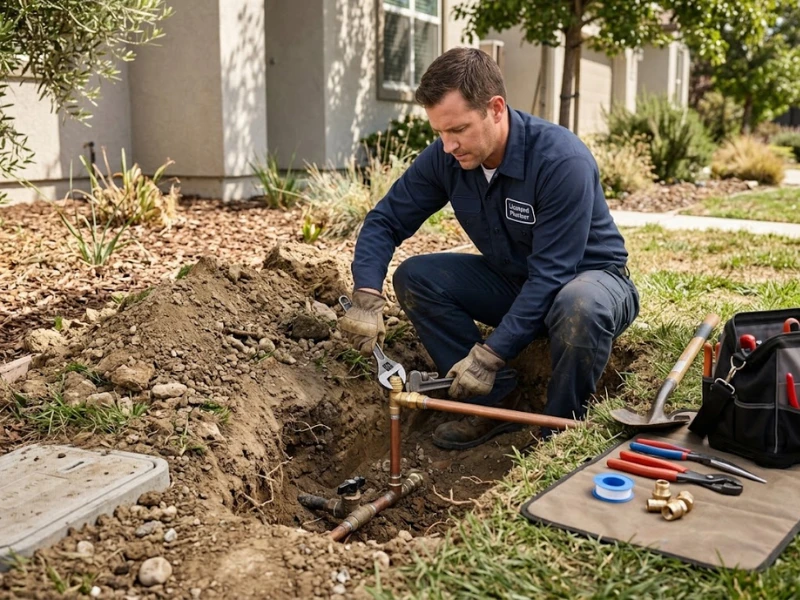
A few hours of prep in late fall will spare you an emergency in January. Work through this list before the first hard freeze is in the forecast:
- Locate your main water shut-off valve and make sure it turns freely. Everyone in the home should know where it is.
- Drain and store garden hoses, shut off and drain hose bibs, and install faucet covers.
- Insulate pipes in the basement, crawl space, garage and attic.
- Seal drafts around the foundation, rim joist, dryer vent and any pipe penetration.
- Have your water heater serviced and its tank flushed, since it works hardest in winter.
- Test sump pump and backup systems even though the ground is frozen — a mid-winter thaw can still send water your way.
- Check that the heat is working in every room that contains plumbing, including a rarely used basement bathroom.
If you rent out a unit or leave a property partly vacant, do not let it drop below 55 degrees Fahrenheit. A cold, empty house is where the worst winter pipe bursts happen, and insurers often treat neglect cases differently. Our companion guide on preparing your plumbing for Chicago winter goes deeper on winterization, and our emergency plumbing line stays open seven days a week if something slips through.
During a Deep Freeze
Once the temperature drops below 20 degrees for hours at a time, shift from preparation to active protection. Small habits make a real difference during a cold snap.
| Condition | What to do |
|---|---|
| Single digits or below zero | Let vulnerable fixtures drip slowly and keep cabinet doors open under sinks on exterior walls. |
| Very windy night | Confirm storm windows and doors are closed and seal obvious draft paths. |
| Leaving for work | Keep the thermostat at 55 degrees or higher — never shut the heat off. |
| Away for days | Shut off the main and drain the system, or arrange for someone to check the house daily. |
A steady drip, not a full stream, is enough to keep water moving through a pipe. It costs a little water but far less than a burst line. Keep interior doors open so warm air circulates to bathrooms, laundry rooms and any room with plumbing on an outside wall. If you use space heaters, keep them clear of flammable material and never leave them running unattended overnight.
Pay attention to warning signs. A toilet that fills slowly, a faucet that sputters, or a sudden drop in water pressure can all point to a partially frozen line. Catch it early and you may be able to thaw it before it splits.
If a Pipe Freezes or Bursts
If a pipe has frozen but not yet burst, thaw it gently. Use a hair dryer, a portable heater kept a safe distance away, or warm towels wrapped around the pipe. Work from the faucet end back toward the frozen section and leave the faucet open so melting water has somewhere to go.
Torches and propane heaters can ignite building materials and superheat a pipe until it ruptures. Never pour boiling water on a frozen pipe, and never use a blowtorch inside a wall cavity.
If a pipe has already burst, act fast:
- Shut off the main water valve immediately.
- Open the lowest faucet in the home to drain remaining water and relieve pressure.
- Turn off electricity to affected areas if water is near outlets, appliances or the panel.
- Document the damage with photos and call your insurer before you clean up.
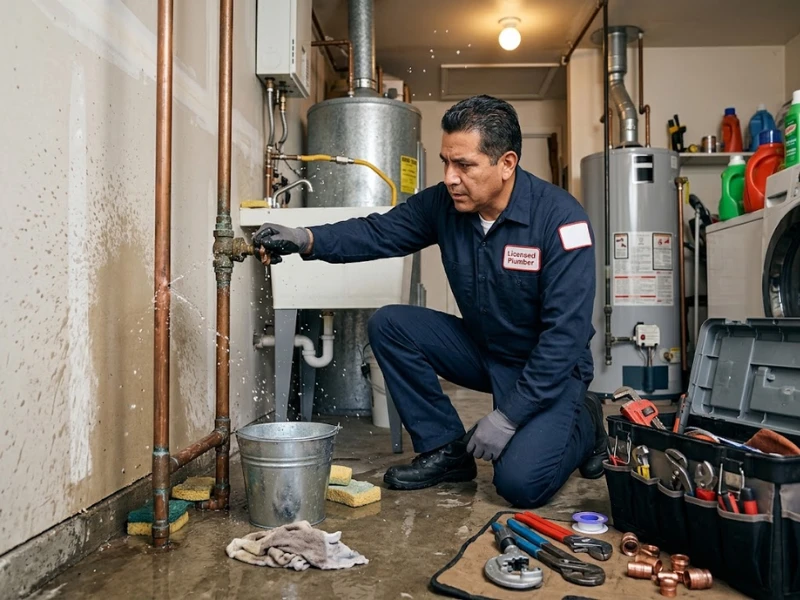
- Call a licensed plumber. A temporary patch is not a fix, and the pipe will fail again.
Our step-by-step burst pipe guide covers the full response, and Plumber Lincoln Park handles emergency repairs across Lincoln Park and Chicago's North Side at (773) 514-3504. The sooner the water is shut off and the line is repaired, the less structural damage and mold risk you face.
Frequently Asked Questions
At what temperature do pipes freeze in Chicago?
Water freezes at 32 degrees Fahrenheit, but the risk rises sharply when outdoor temperatures stay below 20 degrees for several hours. Chicago's long stretches in the single digits and below zero are exactly when uninsulated pipes in exterior walls, crawl spaces and garages freeze.
Should I leave faucets dripping during a deep freeze?
A slow drip on the most vulnerable fixture, usually one on an exterior wall, keeps water moving and relieves pressure inside the pipe. It is a temporary measure for the coldest nights, not a permanent fix. Insulation and sealing drafts are what actually prevent freezing.
How do I know if a pipe is frozen but not broken?
The most common sign is reduced or no water flow from one or more fixtures. You may also notice frost on the pipe or a bulge. A frozen pipe has not yet burst, so thaw it gently with a hair dryer or warm towels before it splits.
How long does it take for a frozen pipe to burst?
A pipe can split within a few hours once it freezes, because water expands as it turns to ice and pushes against the pipe walls. The burst often becomes obvious only when the ice thaws and water starts spraying, which is why early detection matters.
What should I do first if a pipe bursts?
Shut off the main water valve, then open the lowest faucet in the home to drain the lines. Turn off electricity to the affected area if it is safe, then call a licensed plumber at (773) 514-3504. Never thaw a pipe with an open flame.
Does homeowners insurance cover frozen pipe damage?
Most standard policies cover sudden water damage from a burst pipe, but many exclude damage that results from neglect, such as an unheated vacant home. Document everything and call your insurer promptly after you stop the water.